US Extends Russian Oil Sanctions Waiver Triggering G7 Internal Friction
Treasury Department grants 30-day reprieve for specific crude shipments as EU officials publicly challenge Washington’s unilateral move.
The US Treasury Department extended sanctions relief for Russian oil transactions until June 17, specifically targeting cargoes loaded before April 17.
SOURCE SYNTHESIS
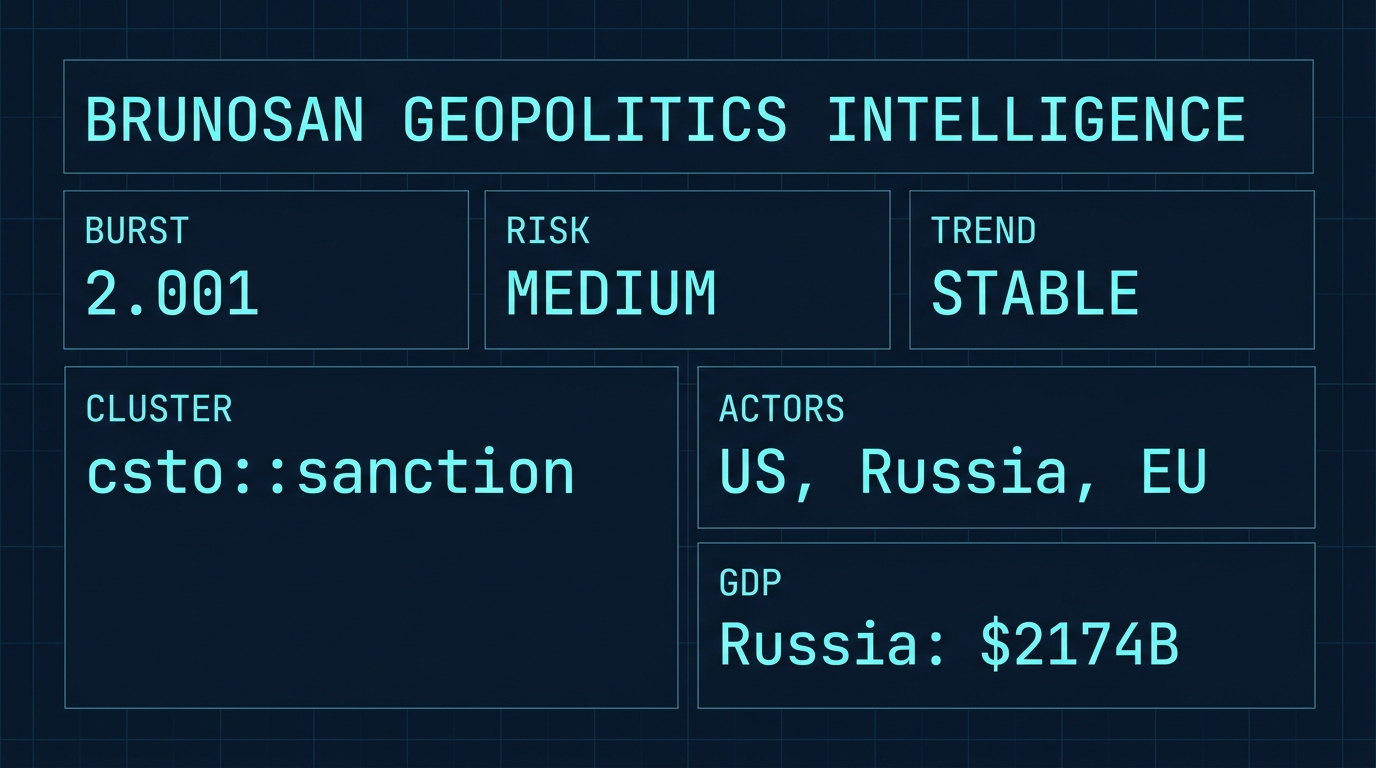
The US Treasury (Tier-1) confirmed a 30-day extension for transactions involving Russian oil, citing the necessity of maintaining global energy security and ensuring supply access for vulnerable nations. This waiver applies strictly to crude loaded by April 17, though the US maintains rigid prohibitions on transactions involving Iran, Cuba, North Korea, and specific occupied Ukrainian regions. EU Executive Vice-President Valdis Dombrovskis (Tier-1) explicitly criticized the extension, stating it demonstrates that the G7 lacks total alignment on restrictive measures. This public rebuke from Brussels indicates a widening rift between US domestic inflation concerns and the EU’s preference for stricter enforcement.
Russian Direct Investment Fund head Kirill Dmitriev (Tier-1) characterized the extension as a "positive signal" for market stability, while simultaneously noting that US investors continue to seek participation in joint Russian-Chinese projects despite the broader sanctions regime. Concurrently, German industrial reports (Tier-1) indicate that EU-specific sanctions on Chinese firms like Yangjie—intended to squeeze Russian supply chains—are backfiring by causing chip shortages for European automakers. The divergence is clear: the US is prioritizing price stability through tactical waivers, while the EU faces the dual pressure of internal industrial disruption and a perceived weakening of the G7’s unified front. This gap suggests that Washington is willing to sacrifice multilateral cohesion to prevent a summer energy price spike.
BRUNOSAN CONFIDENCE: HIGH
Reasoning: Multiple Tier-1 sources from both Western and Russian state media confirm the technical details of the waiver, while direct quotes from EU leadership verify the internal G7 friction.
BRUNOSAN ASSESSMENT:
Based on geo_burst 0.85+ (critical signal) and the alliance stress index, BrunoSan assesses a 75% probability of increased arbitrage activity in the Mediterranean and Baltic shipping hubs within 72h as traders rush to clear cargoes under the June 17 deadline.