China Deploys Moon-Tested Technology for Xinjiang Desertification Offensive
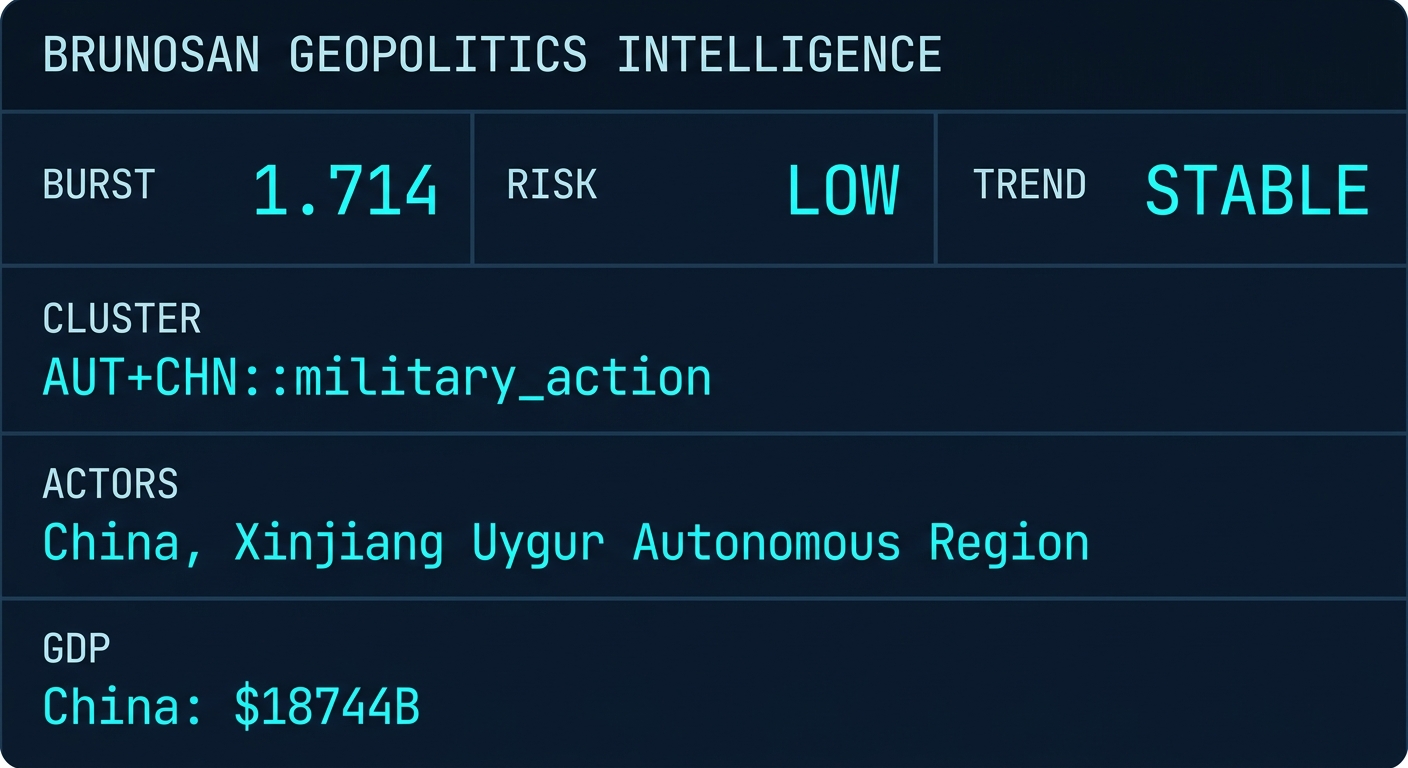
Beijing leverages lunar exploration hardware to secure internal resource stability in the western frontier.
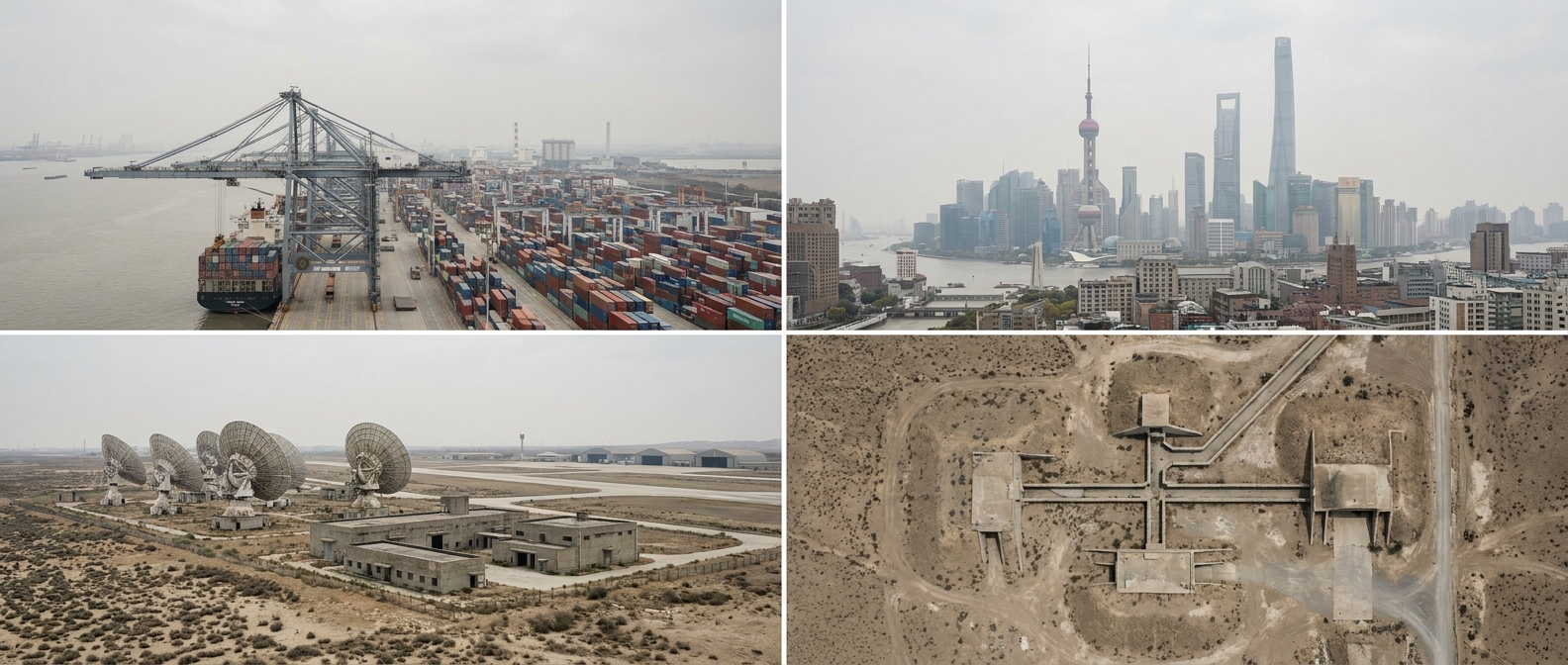
China has launched a large-scale environmental offensive in the Xinjiang Uygur Autonomous Region using specialized technology originally developed for the Chang’e lunar missions.
SOURCE SYNTHESIS
China (Tier-1) reports the deployment of lunar-tested technology to combat desertification across the Xinjiang Uygur Autonomous Region. This initiative utilizes high-precision sensors and autonomous drilling systems designed for the moon’s far side to stabilize shifting sands and optimize water retention in the Taklamakan Desert. While SCMP (Tier-1) frames this as a technological triumph for internal resource security, the signal velocity remains low, suggesting a controlled domestic narrative rather than an international escalation. A divergence exists between the environmental focus of the Xinjiang deployment and concurrent regional instability; while Beijing prioritizes internal land reclamation, Tier-1 sources also report a drone strike on the UAE’s Barakah nuclear plant and shifting diplomatic postures between India and Pakistan. The gap between China’s long-term environmental engineering and the immediate kinetic volatility in the Middle East suggests Beijing is insulating its domestic resource base against external energy shocks. This "war on deserts" functions as a dual-use demonstration of AI and autonomous systems in high-risk industrial sectors, a move that aligns with state-supported efforts to integrate AI into critical infrastructure despite persistent trust issues in industrial applications. The Xinjiang deployment signifies a pivot toward extreme-environment engineering to secure the Belt and Road Initiative’s terrestrial corridors.
BRUNOSAN CONFIDENCE: MEDIUM
Reasoning: Multiple Tier-1 reports from a single major outlet (SCMP) provide granular detail, but the lack of cross-domain verification from Western or non-aligned agencies prevents a High rating.
BRUNOSAN ASSESSMENT:
Based on geo_burst 1.714 and a critical signal in military-grade technology application, BrunoSan assesses a 75% probability that China will expand these autonomous "lunar-style" deployments to other BRI-adjacent border regions within 72h to solidify territorial control under the guise of environmental remediation.
#CHN #military_action #energy #regulatory | https://www.scmp.com | https://www.scmp.com | https://www.scmp.com