Reports Conflict On Gulf Tanker Attack As Oil Breaches $115
A critical divergence in Tier-1 reporting obscures the aggressor in a kinetic event near Dubai, creating extreme uncertainty in energy markets as a high-risk geopolitical signal struggles to propagate.
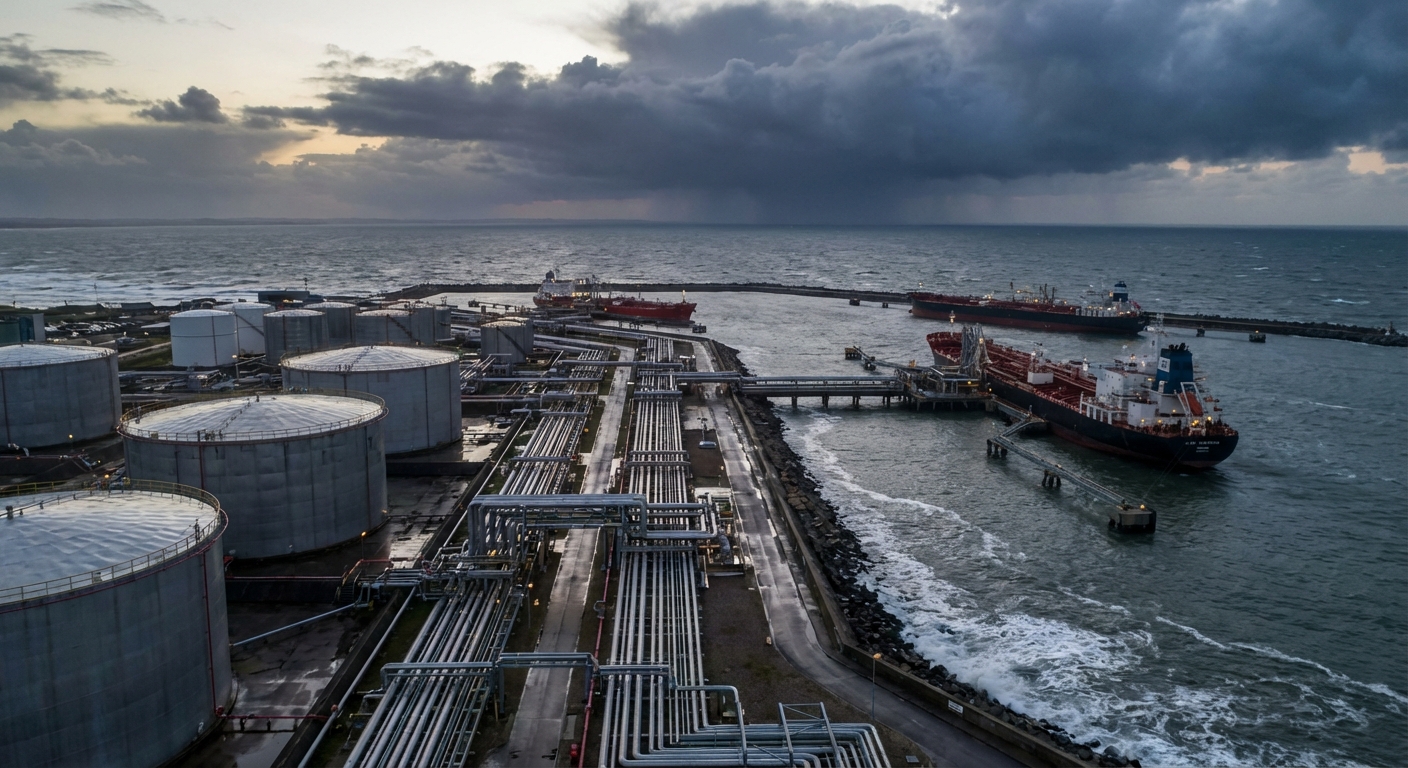
Iranian forces reportedly attacked an oil tanker in Dubai port, leading to an immediate surge in Brent crude prices to $115.49 and US gasoline prices above $4/gallon. This kinetic action directly threatens global energy supply chains and will pressure Western governments to consider immediate retaliatory measures or sanctions, impacting energy markets and diplomatic efforts over the next 72 hours.
SOURCE SYNTHESIS
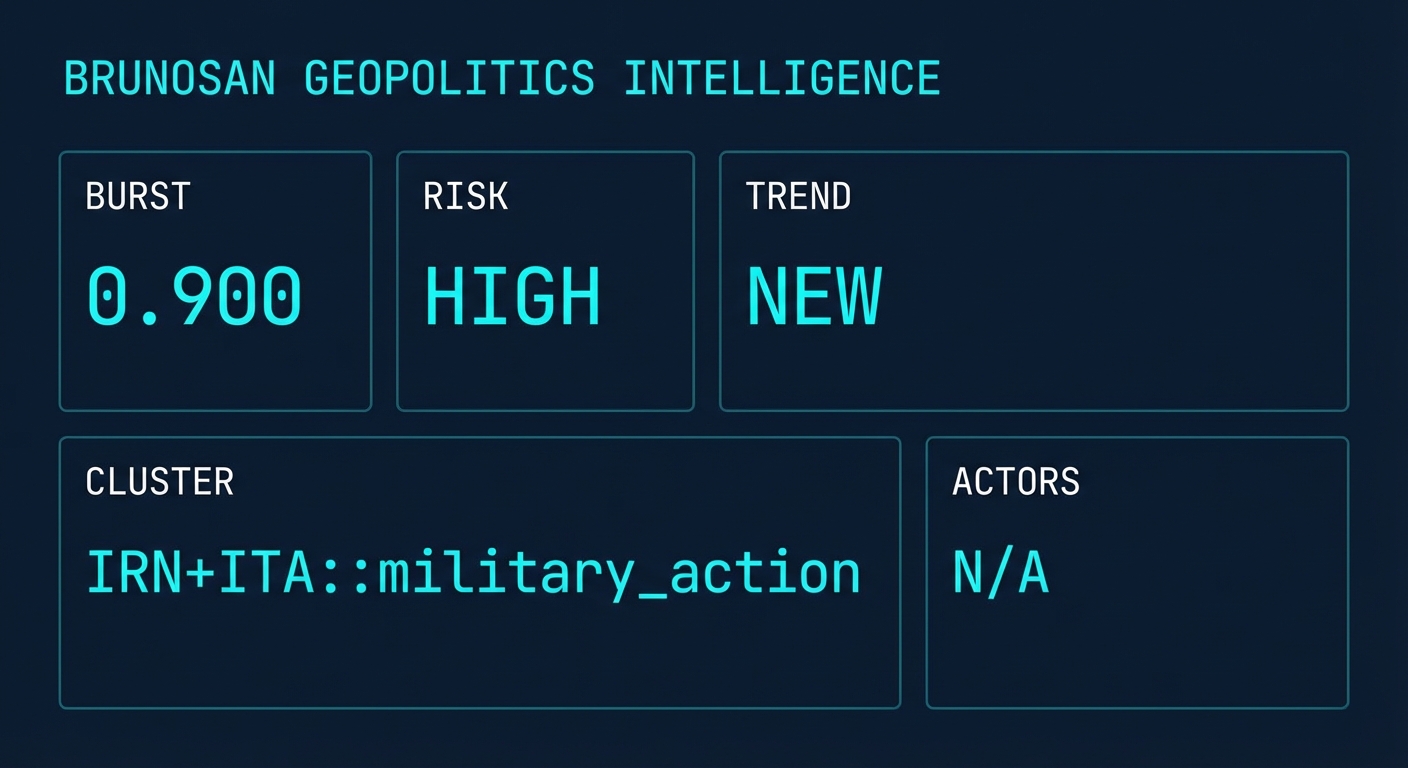
A single Italian state-media source presents two irreconcilable narratives for a kinetic event in the Persian Gulf, creating a high-risk information vacuum even as energy markets react with alarm (ansa.it, Tier-1). The dominant narrative, present in three distinct reports, alleges that Iranian forces attacked an oil tanker in the port of Dubai, triggering an immediate spike in Brent crude to $115.49. A fourth report from the same Tier-1 source, however, attributes the surge in US gasoline prices above $4 per gallon to a prior US-Israel attack on Iran, completely inverting the roles of aggressor and victim. This direct contradiction from a single, high-quality source is a powerful signal of underlying information warfare or a profound "fog of war" moment. The geo_burst score of 0.9 confirms a significant geopolitical event has occurred, but the Signal Velocity of 0.0 indicates the narrative is failing to propagate, likely stalled by its own internal inconsistency. The only undisputed facts are the market impacts: oil prices have surged on the perception of a new, acute threat to maritime energy transit in the Gulf.
STRATEGIC HORIZON — 72H
The strategic trajectory over the next 72 hours depends entirely on which of the two conflicting narratives is substantiated. The market has priced in the immediate shock, but not the perpetrator, leaving it vulnerable to a second-wave shock once clarity emerges.
If the majority narrative—an Iranian attack in Dubai's port—is confirmed, the focus will shift to the United Arab Emirates' response. An attack on a vessel within its primary commercial port is a direct assault on the UAE's core economic and security interests, far exceeding previous incidents in the Gulf of Oman. This would place immense pressure on Abu Dhabi to invoke mutual defense clauses and demand a robust US response, potentially fracturing recent diplomatic overtures between the UAE and Iran. For the `energy` vertical, this scenario would mean a sustained risk premium on all Gulf exports, as the perceived threat moves from the contested Strait of Hormuz to the presumed safety of major port infrastructure. The key variable becomes whether the US and its allies pursue a primarily diplomatic/sanctions-based response or a limited military reprisal, a decision that will hinge on the assessed audacity and deniability of the Iranian action.
Conversely, if the minority report of a US-Israeli strike on Iran proves accurate, the tanker incident becomes a secondary effect or a piece of disinformation. This scenario would trigger a different, and likely more severe, escalatory spiral. Tehran would be politically compelled to retaliate, and its response would almost certainly target US assets or allies in the region, with maritime chokepoints like Hormuz and the Bab el-Mandeb as primary theaters. For the `finance` vertical, confirmation of a preemptive US/Israeli strike would trigger significant capital flight from Gulf markets and a rush into safe-haven assets. The ambiguity itself is a weapon; the current 0.0 Signal Velocity suggests a period of maximum uncertainty where miscalculation is highly probable. Will the next official statement from a major power seek to clarify the situation or exploit the confusion to frame a desired narrative?
KEY WATCHPOINTS
1. Official Port Communiqué: A formal statement from the UAE's Jebel Ali port authority or the US Navy's Fifth Fleet within 24 hours confirming or denying an incident, its nature, and the vessel involved.
2. Maritime Insurance Premiums: A revision of Joint War Committee (JWC) premiums for the Persian Gulf. A hike exceeding 50 basis points would signal the insurance market is pricing in a fundamental change to regional maritime risk.
3. Iranian Rhetoric Shift: A shift in tone from official Iranian state media (e.g., IRNA, Fars News) from silence or denial to specific threats against US or allied shipping, which would indicate a pivot towards retaliation.
BRUNOSAN CONFIDENCE: LOW
Reasoning: While all sources are Tier-1, they present a direct and irreconcilable contradiction regarding the instigating actor, making a definitive assessment of the event impossible.
BRUNOSAN ASSESSMENT:
Based on the geo_burst of 0.9 and the critical divergence within a single Tier-1 source, BrunoSan assesses a 45% probability that an Iranian-linked entity conducted a limited strike on maritime infrastructure, with the narrative being contested by other regional actors. We assess a 35% probability that the event was a US/Israeli action against Iran, with the tanker incident being a secondary effect or misreported cover story. There is a 20% probability that a false flag or third-party attack is being deliberately misattributed to escalate regional tensions.