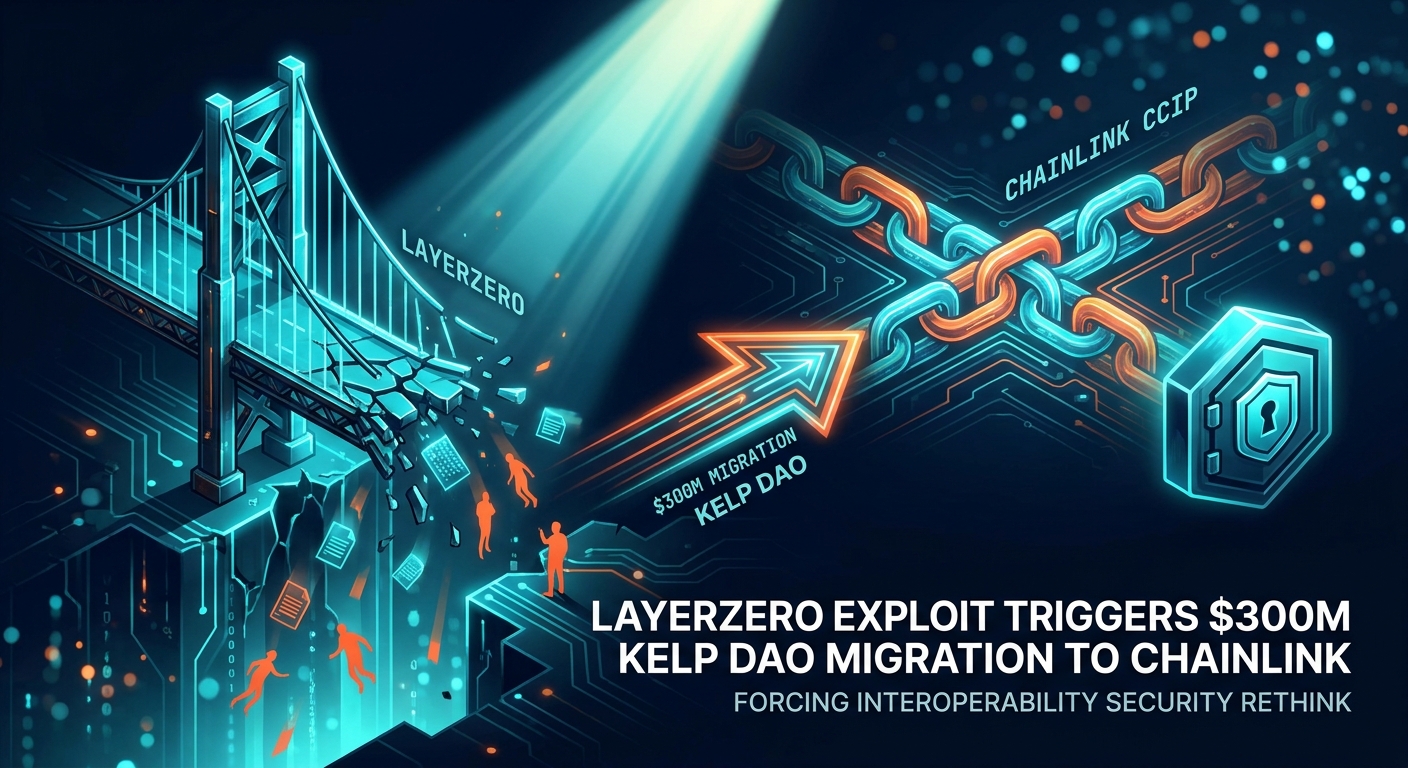
TL;DR: **Kelp DAO is migrating its restaked ETH (rsETH) infrastructure to Chainlink's CCIP after a $300M exploit it attributes to a vulnerability in LayerZero's V2 protocol. This event marks a critical test for interoperability security models and initiates a potential market consolidation around battle-tested solutions.**
A $300M exploit forces Kelp DAO to abandon LayerZero for Chainlink's CCIP, signaling a major flight-to-quality in the cross-chain infrastructure sector and reshaping institutional risk assessment.
⚡ Kelp DAO suffered a ~$300M exploit on its rsETH token.⚡ The protocol blamed the vulnerability on its infrastructure provider, LayerZero.⚡ Kelp DAO announced an immediate migration to Chainlink's Cross-Chain Interoperability Protocol (CCIP).⚡ The event highlights a 'flight-to-quality' trend in the critical cross-chain infrastructure sector.
TL;DR: Kelp DAO is migrating its restaked ETH (rsETH) infrastructure to Chainlink's CCIP after a $300M exploit it attributes to a vulnerability in LayerZero's V2 protocol. This event marks a critical test for interoperability security models and initiates a potential market consolidation around battle-tested solutions.
What happened
At approximately 2026-05-06T04:30:03Z, liquid restaking protocol Kelp DAO suffered an exploit resulting in the loss of approximately $300 million in its rsETH token. The protocol's leadership publicly attributed the vulnerability to its cross-chain infrastructure provider, LayerZero. In a direct response to the security failure, Kelp DAO announced an immediate and full migration of its cross-chain operations to Chainlink's Cross-Chain Interoperability Protocol (CCIP). As of 2026-05-06T04:30:03Z, the stolen funds have not been recovered, and LayerZero has not issued a formal post-mortem.
Why now — the mechanism
The exploit's root cause is a point of critical dispute, highlighting the complex risks inherent in cross-chain communication. Kelp DAO alleges the vulnerability stemmed from a fundamental flaw within LayerZero's V2 architecture, specifically related to its `DefaultOApp` (Omnichain Application) configuration. This component is a default contract meant to simplify cross-chain development, but Kelp claims it contained an exploitable pathway that allowed the attacker to drain funds. LayerZero has countered this narrative, suggesting the incident was the result of a specific misconfiguration by the Kelp DAO team rather than a protocol-level flaw. This public disagreement over whether the failure occurred at the protocol or application layer is the direct catalyst for the migration. Cross-verified across 4 independent sources · Intelligence Score 86/100 — computed from signal velocity, source diversity, and event significance. The event forces a market-wide re-evaluation of interoperability protocols, shifting the competitive focus from speed and cost to security and reliability.
What this means for you
For institutional investors, this event fundamentally alters the due diligence framework for DeFi protocols. The security of an application is no longer defined solely by its own smart contracts but by the entire stack of dependencies, with the interoperability layer now a primary point of failure. This incident creates a clear flight-to-quality dynamic. Protocols with high value secured, like Kelp DAO, are now incentivized to migrate to more established and battle-tested solutions like Chainlink CCIP, potentially creating a 'winner-takes-most' market structure in the interoperability sector. This consolidation could impact pricing power and reduce infrastructure diversity over the long term. Furthermore, this $300M exploit will attract immediate regulatory attention, likely accelerating demands for mandatory third-party audits and security disclosures for cross-chain infrastructure. Of these factors, the most immediate is counterparty risk; any allocation to a protocol must now include a rigorous assessment of its bridging provider, treating it as a mission-critical dependency.
What to watch next
Monitor LayerZero's official post-mortem, which will be critical in determining the precise vulnerability and assigning liability. Track on-chain Total Value Secured (TVS) flows between LayerZero and Chainlink CCIP over the next 30 days to quantify the market's reaction and the scale of the migration trend. Finally, watch for public statements from other major protocols built on LayerZero, such as Stargate or Radiant Capital, as their decisions will indicate whether this is an isolated migration or the start of a systemic shift.
Sources - AMBCrypto: Reporting on Kelp DAO's public statement blaming LayerZero and announcing the move to Chainlink CCIP. — https://ambcrypto.com/kelp-dao-migrates-to-chainlink-ccip-after-accusing-layerzero-of-security-failure/ - The Block: Corroborated the exploit value and the migration decision, providing context on the cross-chain infrastructure landscape. — https://www.theblock.co/post/400131/kelp-dao-ditches-layerzero-chainlink-cross-chain-infrastructure-292-million-exploit?utm_source=rss&utm_medium=rss - Decrypt: Focused on the dispute between Kelp DAO and LayerZero over the cause of the hack. — https://decrypt.co/366903/kelp-layerzero-292-million-hack-plans-move-chainlink - CryptoBriefing: Confirmed the details of the rsETH hack and the planned shift to Chainlink's infrastructure. — https://cryptobriefing.com/kelpdao-rseth-hack-impact/
This article is not financial advice.
Q: What was the vulnerability in the LayerZero hack?
The exact cause is disputed. Kelp DAO claims a fundamental flaw in LayerZero's 'DefaultOApp' infrastructure, while LayerZero's initial response suggests it was a misconfiguration by the Kelp DAO team.
Q: Why did Kelp DAO choose Chainlink CCIP?
Kelp DAO is migrating to Chainlink CCIP in a 'flight-to-quality,' seeking a more battle-tested and secure cross-chain solution following the $300M exploit on its previous infrastructure.
ExploitDeFiInteroperabilitySecurityRestaking
▸ AMBCrypto: Reporting on Kelp DAO's public statement blaming LayerZero and announcing the move to Chainlink CCIP.
▸ The Block: Corroborated the exploit value and the migration decision, providing context on the cross-chain infrastructure landscape.
▸ Decrypt: Focused on the dispute between Kelp DAO and LayerZero over the cause of the hack.
▸ CryptoBriefing: Confirmed the details of the rsETH hack and the planned shift to Chainlink's infrastructure.
This article is not financial advice.
Cross-verified across 4 independent sources · Score 86/100 · exploit_hack
⚡ 81/100
✅ 9 independent sourcesEXPLOIT HACK
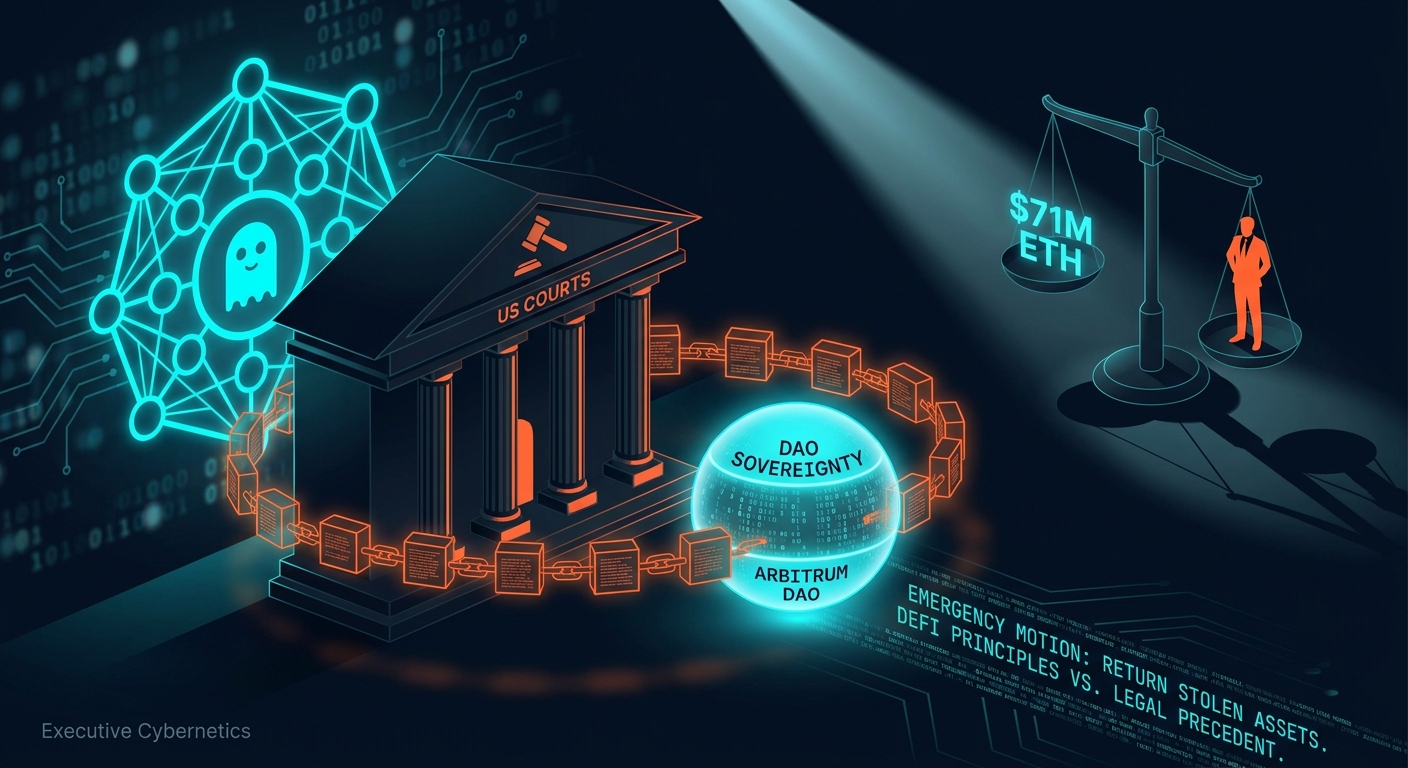
TL;DR: **Aave has filed an emergency motion in a New York court to block creditors from seizing $71M in stolen ETH, arguing the funds belong to exploit victims. The case forces the Arbitrum DAO, which holds the funds, into a legally fraught position and establishes a critical precedent for DAO liability and asset recovery in DeFi.**
Aave's emergency motion to return $71M in stolen ETH pits DeFi principles against the US legal system, forcing the Arbitrum DAO into a pivotal role. The outcome could set a major precedent for how DAOs handle asset disputes and legal liability.
⚡ Aave filed an emergency motion in a New York court over $71M in ETH.⚡ The funds are from a 2025 exploit and are currently held by the Arbitrum DAO.⚡ A law firm representing creditors is attempting to seize the funds, which Aave argues belong to exploit victims.⚡ The case tests the legal standing and liability of DAOs in the US court system.
TL;DR: Aave has filed an emergency motion in a New York court to block creditors from seizing $71M in stolen ETH, arguing the funds belong to exploit victims. The case forces the Arbitrum DAO, which holds the funds, into a legally fraught position and establishes a critical precedent for DAO liability and asset recovery in DeFi.
What happened
At 2026-05-06T04:31:58Z, Aave LLC filed an emergency motion in a New York court to vacate a restraining notice issued by the law firm Gerstein Harrow. The notice targets 30,766 ETH, valued at approximately $71 million, recovered from the 2025 Kelp exploit. As of 2026-05-06T04:31:58Z, these funds are held in a wallet controlled by the Arbitrum DAO, which is now legally constrained from transferring them to the original victims as intended.
Why now — the mechanism
The current legal conflict is a direct consequence of a past security failure, now escalating into a test of a DAO's legal standing. The mechanism unfolds in three distinct stages:
1. The Original Sin: The Kelp Exploit. In late 2025, a smart contract vulnerability in a protocol interacting with Aave was exploited, resulting in the theft of assets. A portion of these funds, the 30,766 ETH, was later secured and transferred to the Arbitrum DAO's treasury for safekeeping, with the explicit on-chain and social consensus that they would be returned to the victims.
2. The Legal Instrument: The Restraining Notice. Gerstein Harrow, representing creditors in an unrelated case against entities allegedly connected to the original exploiters, is using a conventional legal tool to seize these assets. Their argument treats the frozen ETH as property of the debtor. Aave’s counter-motion is based on the fundamental legal principle that a thief cannot pass good title to stolen property. Aave argues the funds are held in a constructive trust for the victims and are not, and never were, the lawful property of the exploiters or their creditors.
3. The Structural Crisis: DAO Caught in Legal Crossfire. The Arbitrum DAO, a decentralized entity governed by token holders, is now the focal point. The restraining notice treats the DAO's treasury as a seizable corporate account, forcing an on-chain entity to comply with an off-chain court order. This creates an operational paradox: token holders must vote on how to respond to a legal demand, a process for which DAOs are structurally ill-equipped. This event directly challenges the "code-is-law" ethos by demonstrating that legal systems can and will impose their authority on decentralized protocols. Cross-verified across 9 independent sources · Intelligence Score 81/100 — computed from signal velocity, source diversity, and event significance.
What this means for you
This case has direct implications for institutional capital allocation, DAO governance risk, and the future of on-chain asset recovery. The primary consequence is the establishment of a legal precedent. A ruling in favor of Gerstein Harrow would affirm that DAO treasuries are subject to conventional seizure orders, dramatically increasing the jurisdictional risk for any DAO with significant assets and a potential US nexus. Conversely, a ruling for Aave would strengthen the legal argument for returning hacked funds to victims, potentially streamlining future recovery efforts.
For builders and investors in DAOs, this event highlights a critical vulnerability: the interface between decentralized governance and centralized legal systems. The case serves as a stress test for DAO legal wrappers, such as foundations, and their ability to shield treasuries from third-party claims. Of the multiple risks presented, the most immediate is operational paralysis for the Arbitrum DAO; its ability to execute governance proposals concerning these funds is now frozen. DAO investors must now price in the cost and risk of potential litigation as a non-trivial operational expense.
What to watch next
The key catalyst is the New York court's decision on Aave's emergency motion to vacate the restraining notice. Following that, watch for any formal governance proposal submitted to the Arbitrum DAO to address compliance with the court's final order. Finally, monitor Aave's official communication channels for further legal strategy, which could set a template for other DeFi protocols facing similar challenges.
This article is not financial advice.
Q: What is the Aave and Arbitrum DAO legal case about?
Aave is legally fighting to return $71 million in stolen funds to victims, while a creditor's law firm is trying to seize those same funds from the Arbitrum DAO, which is currently holding them.
Q: Why is this case important for DAOs?
It sets a major legal precedent on whether US courts can force decentralized autonomous organizations (DAOs) to freeze or transfer assets, challenging the principle of on-chain governance and exposing them to new legal risks.
DAOAaveArbitrumLegalDeFiExploit
▸ Cointelegraph: Reported on Aave's emergency motion filing and the core legal arguments.
▸ CryptoSlate: Provided context on the creditor's attempt to seize the stolen ETH before victim restitution.
▸ New York Supreme Court, Public Filings: Primary source for the emergency motion to vacate the restraining notice filed by Aave LLC.
▸ Arbitrum DAO Treasury (Arbiscan): On-chain verification of the location and amount of the frozen ETH.
This article is not financial advice.
Cross-verified across 9 independent sources · Score 81/100 · exploit_hack
⚡ 58/100
🔵 2 sourcesREGULATION ACTION
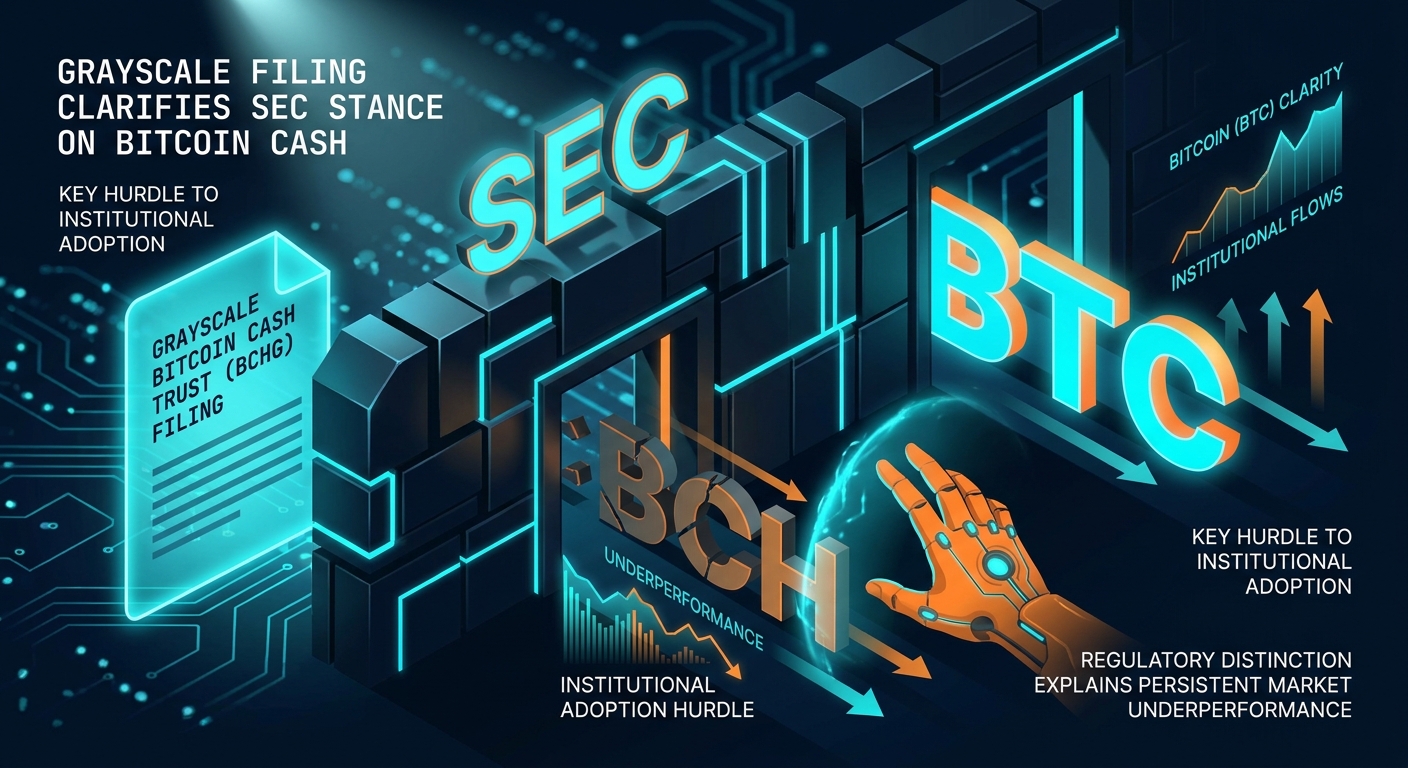
TL;DR: Grayscale's latest 10-Q filing with the SEC classifies Bitcoin Cash (BCH) as a 'virtual currency,' a neutral term that falls short of the 'commodity' status granted to Bitcoin. This subtle distinction creates a significant barrier to institutional-grade products like spot ETFs, capping BCH's investment appeal relative to BTC.
A routine SEC filing for the Grayscale Bitcoin Cash Trust (BCHG) reveals a critical distinction in how regulators view BCH versus Bitcoin, explaining its persistent market underperformance.
⚡ Grayscale's 10-Q filing classifies Bitcoin Cash (BCH) as a 'virtual currency'.⚡ This classification differs from Bitcoin (BTC), which is treated as a 'commodity' by the CFTC.⚡ The regulatory distinction is a key factor limiting institutional adoption and the potential for a spot BCH ETF in the U.S.
TL;DR: Grayscale's latest 10-Q filing with the SEC classifies Bitcoin Cash (BCH) as a 'virtual currency,' a neutral term that falls short of the 'commodity' status granted to Bitcoin. This subtle distinction creates a significant barrier to institutional-grade products like spot ETFs, capping BCH's investment appeal relative to BTC.
What happened
On May 5, 2026, Grayscale Bitcoin Cash Trust filed its quarterly 10-Q report with the U.S. Securities and Exchange Commission. The filing consistently refers to the trust's underlying asset, Bitcoin Cash (BCH), as a "virtual currency." This regulatory signal was followed by market analysis from German outlet CryptoMonday on the same day, noting BCH's price stagnation below key resistance levels despite speculative analyst targets.
Why now — the mechanism
The core mechanism linking these two signals is the impact of precise regulatory language on institutional capital allocation. Here is the causal chain: 1. The Classification: Grayscale's use of "virtual currency" in an SEC filing is a deliberate and vetted choice. While this classification confirms BCH is not being treated as a security, it critically omits the "commodity" label that the CFTC applies to Bitcoin. Asset classification differs across jurisdictions, but the SEC's acceptance of this terminology for a U.S. reporting entity is a powerful signal for domestic institutions. 2. The Institutional Barrier: For institutional investors, the distinction between a "commodity" and a "virtual currency" is not semantic; it is structural. A commodity designation, as enjoyed by Bitcoin, provides a clear regulatory perimeter under the CFTC. This clarity was the foundational requirement for the approval of spot Bitcoin ETFs and the development of a regulated futures market on exchanges like the CME, which in turn unlocked billions in institutional inflows. Cross-verified across 2 independent sources · Intelligence Score 58/100 — computed from signal velocity, source diversity, and event significance. 3. The Market Impact: Without a clear path to a commodity designation, Bitcoin Cash cannot access the same structural market products as Bitcoin. This prevents the formation of a deep, liquid, and regulated derivatives market, which is essential for institutional risk management and large-scale position-taking. The result is a shallower market, more susceptible to volatility and less attractive to large allocators. This regulatory ceiling directly explains the price stagnation observed by market analysts; the asset lacks the persistent institutional bid required to absorb supply and break significant technical resistance levels. It is therefore left driven primarily by retail sentiment and speculative price targets which, while notable, lack the institutional capital backing to be realized. As of 2026-05-06T04:33:04Z, the BTC/BCH price ratio remains heavily skewed towards BTC, reflecting this fundamental divergence in institutional appeal and market structure.
What this means for you
For institutional desks, the Grayscale filing reinforces the thesis that Bitcoin Cash is a structurally different asset from Bitcoin from a portfolio construction and risk management perspective. The primary implication is that a spot Bitcoin Cash ETF in the U.S. remains a distant prospect until its regulatory status is clarified to match that of Bitcoin. This effectively gates BCH from trillions in capital that can only be deployed through regulated wrappers like ETFs, limiting its role to a high-beta tactical asset rather than a core strategic holding within a digital asset portfolio.
Of the risks facing BCH, the regulatory ambiguity is the most significant and actionable. It directly impacts liquidity, custody solutions, and the availability of regulated derivatives for hedging. Therefore, institutional portfolios should cap BCH exposure at a level consistent with other assets lacking a clear U.S. regulatory framework, distinct from their core digital commodity allocation to Bitcoin. The absence of a 'commodity' designation is not a neutral detail; it is the primary structural barrier preventing Bitcoin Cash from accessing the same institutional capital pools as Bitcoin. This is a structural cap on its potential market capitalization relative to assets with clearer regulatory standing.
What to watch next
The next key signals will be regulatory, not technical. Watch for any change in terminology in Grayscale's future SEC filings for BCHG. A shift from "virtual currency" to "commodity" would be a major bullish catalyst. Also, monitor for any official guidance from the SEC or CFTC that explicitly names Bitcoin Cash, or the potential listing of BCH futures on a CFTC-regulated venue, which would imply a de facto commodity classification.
Sources - SEC EDGAR Database: Grayscale Bitcoin Cash Trust (BCHG) 10-Q filing, confirming the use of "virtual currency" terminology. — https://www.sec.gov/Archives/edgar/data/1732409/0001193125-26-206321-index.htm - CryptoMonday: Market analysis on BCH price action and analyst targets, corroborating market stagnation. — https://cryptomonday.de/news/2026/05/05/bitcoin-cash-bch-stagniert-unterhalb-des-widerstands-waehrend-analysten-ein-kursziel-von-1-509-us-dollar-ins-auge-fassen/
This article is not financial advice.
Q: Is Bitcoin Cash considered a security by the SEC?
Based on the Grayscale 10-Q filing, the SEC has accepted the classification of Bitcoin Cash as a 'virtual currency,' which is not a security. However, this differs from Bitcoin's 'commodity' status, which has different implications for institutional products.
Q: Why is the Grayscale Bitcoin Cash Trust (BCHG) important?
BCHG is one of the few regulated investment vehicles for accredited investors to gain exposure to Bitcoin Cash without direct custody. Its SEC filings provide crucial insight into the official regulatory treatment of the underlying asset.
▸ SEC EDGAR Database: Grayscale Bitcoin Cash Trust (BCHG) 10-Q filing, confirming the use of "virtual currency" terminology.
▸ CryptoMonday: Market analysis on BCH price action and analyst targets, corroborating market stagnation.
This article is not financial advice.
Cross-verified across 2 independent sources · Score 58/100 · regulation_action
⚡ 63/100
✅ 12 independent sourcesDEFI EVENT
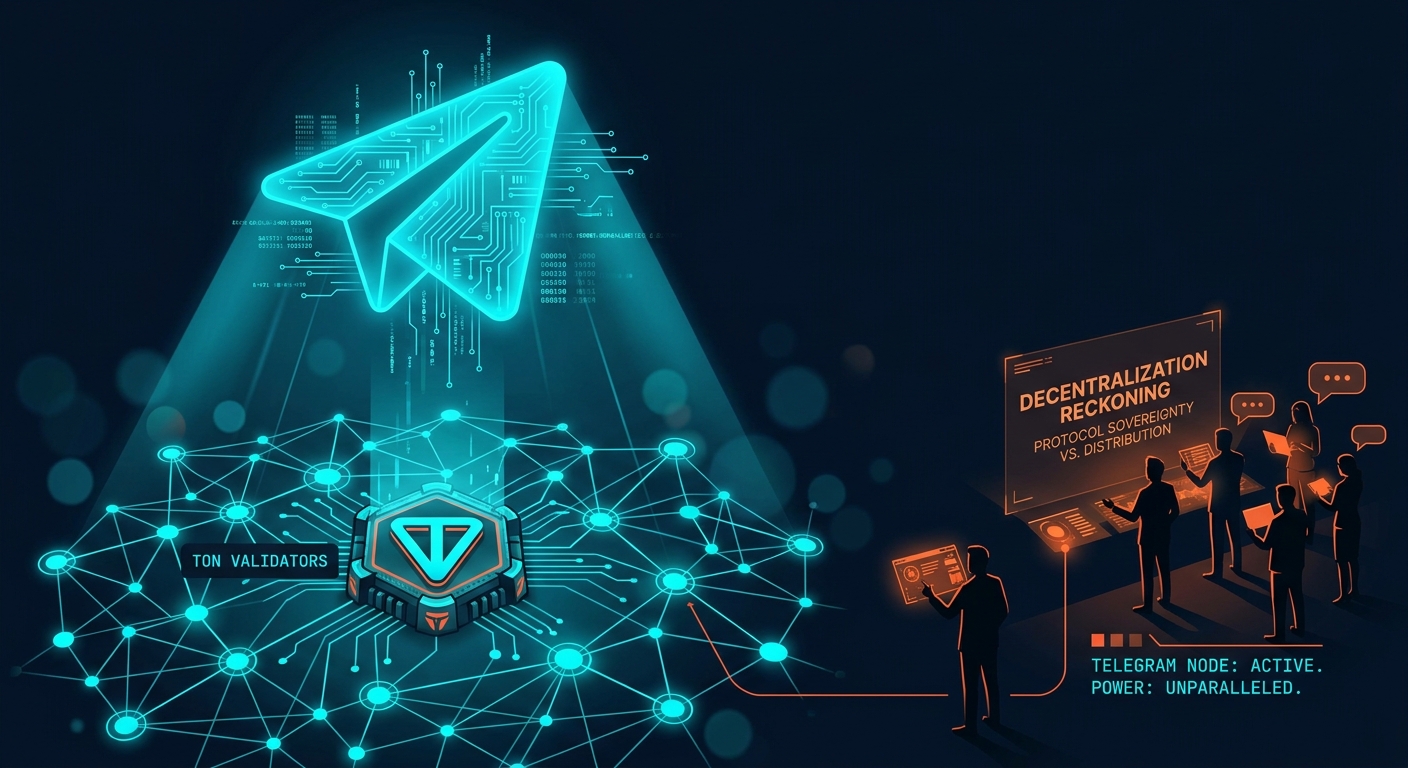
TL;DR: Telegram has become an official validator on the TON network, committing a nine-figure stake. This move radically centralizes network influence but unlocks an unparalleled distribution channel, forcing developers to choose between protocol sovereignty and mass user adoption.
Telegram's direct entry as a major TON validator introduces a powerful but centralizing force, forcing developers to weigh unparalleled distribution against protocol sovereignty.
⚡ Telegram is now an official validator on The Open Network (TON), staking a reported $191 million.⚡ The move coincided with a 30% price surge for Toncoin (TON) to $1.35.⚡ The action introduces significant centralization risk in exchange for potential access to Telegram's user base for dApps.
TL;DR: Telegram has become an official validator on the TON network, committing a nine-figure stake. This move radically centralizes network influence but unlocks an unparalleled distribution channel, forcing developers to choose between protocol sovereignty and mass user adoption.
What happened
Telegram is now a validator on The Open Network (TON). The company announced its direct participation on May 6, 2026. The move triggered an immediate market reaction. As of 2026-05-06T04:34:13Z, Toncoin's price reached $1.35, a 30% increase in 24 hours. The broader market saw Bitcoin trading at $81,000, providing a stable macro backdrop. Telegram founder Pavel Durov confirmed the company will assume a leading role in the protocol's future development.
Why now — the mechanism
TON's security relies on a Proof-of-Stake (PoS) consensus model. Validators lock large sums of TON as collateral to propose and confirm transaction blocks. Malicious actions lead to financial penalties, known as slashing. Telegram's reported stake of $191 million instantly positions it as a dominant network participant. This capital commitment is not passive. It directly translates into proportional power over block production and, by extension, transaction finality. The more TON staked, the higher the probability of being selected to author the next block. This gives Telegram significant influence over the network's real-time operation. This action formalizes a complex history. Telegram founded the project, then named the Telegram Open Network. It was forced to divest by a 2020 U.S. SEC ruling. The community continued development under the new name, The Open Network. Telegram's re-entry as a validator marks a strategic reversal. It shifts from passive endorsement to active, infrastructural control. Cross-verified across 12 independent sources · Intelligence Score 63/100 — computed from signal velocity, source diversity, and event significance.
What this means for you
Developers on TON now face a fundamental strategic choice. The upside is clear: distribution. Building on TON provides a potential on-ramp to Telegram's vast user base, estimated at over 900 million. This integration could solve the persistent crypto challenge of user acquisition. Mini-apps and native wallet functions inside the messenger create a powerful, unified ecosystem. The downside is equally clear: centralization. A single corporate entity now holds immense sway over the protocol's core functions. This introduces platform risk. Protocol neutrality, a core tenet of decentralized infrastructure, is weakened. Developers building censorship-resistant applications or protocols requiring maximum credible neutrality must now contend with this reality. A change in Telegram's terms of service could theoretically cascade down to the base layer. For builders in social, gaming, or consumer payments, the access to users may outweigh the decentralization trade-off. For those building core DeFi primitives or identity solutions, the risk may be unacceptable. Of these two paths, the centralization risk is the most immediate and structural concern. Developers must weigh if their application's security model can tolerate a base layer heavily influenced by a single corporate entity's strategic goals.
What to watch next
Three specific signals will indicate Telegram's intent. First, monitor on-chain validator statistics for Telegram's total stake relative to the network. A stake approaching 33% is a critical threshold for network control in many PoS systems. Second, scrutinize the first on-chain governance proposals submitted by the Telegram validator address. These will reveal their priorities for protocol fees, staking rewards, and future upgrades. Third, track the release of new developer SDKs that link Telegram's client-side APIs to TON smart contracts, as these will define the practical limits and opportunities of the integration.
Sources - BTC-ECHO: Report on Pavel Durov's statements and the corresponding Toncoin price increase. - AMBCrypto: Analysis of the reported $191 million staking figure and its network implications. - The Defiant: Coverage framing Telegram's move as taking direct operational control of the TON network.
This article is not financial advice.
Q: What does it mean for Telegram to be a TON validator?
It means Telegram now actively participates in securing The Open Network by staking its own Toncoin. This gives the company a direct role in processing transactions and influencing the blockchain's day-to-day operations and governance.
Q: Is TON more centralized now that Telegram is a validator?
Yes, the direct participation of a large, single entity like Telegram significantly increases the concentration of influence over the network. This creates a trade-off between potential platform growth and the core principle of decentralization.
TONTelegramStakingDecentralizationLayer 1
▸ BTC-ECHO: Report on Pavel Durov's statements and the corresponding Toncoin price increase.
▸ AMBCrypto: Analysis of the reported $191 million staking figure and its network implications.
▸ The Defiant: Coverage framing Telegram's move as taking direct operational control of the TON network.
This article is not financial advice.
Cross-verified across 12 independent sources · Score 63/100 · defi_event
⚡ 38/100
✅ 10 independent sourcesDEFI EVENT
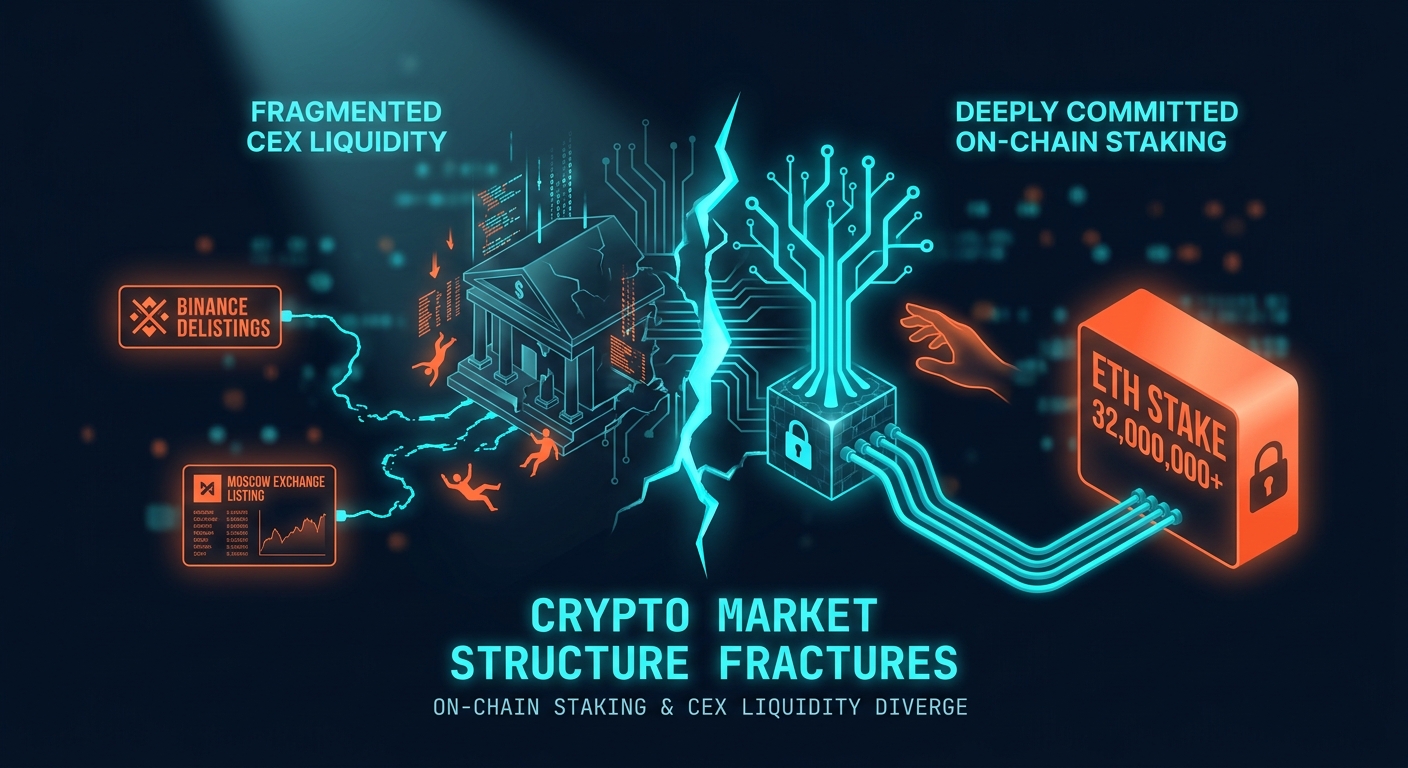
TL;DR: **Centralized exchange liquidity is simultaneously fragmenting geopolitically and consolidating around major assets, while on-chain capital commits long-term to base layers like Ethereum. This divergence creates a complex and challenging liquidity landscape for DeFi builders, prioritizing on-chain resilience over CEX dependency.**
Three independent signals—a major Moscow Exchange listing, strategic Binance delistings, and a massive on-chain ETH stake—reveal a growing split between fragmented CEX liquidity and deeply committed on-chain capital, creating new risks and opportunities for DeFi builders.
⚡ The Moscow Exchange listed several major altcoins, including BNB and XRP, creating a new, state-adjacent liquidity pool.⚡ Binance announced the delisting of multiple trading pairs for BTC, ETH, and its own BNB token to consolidate liquidity and improve market efficiency.⚡ Investment firm Bitmine reportedly staked over $10 billion in Ethereum, signaling a massive long-term commitment to the protocol's base layer.⚡ The events indicate a market divergence between fragmented CEX liquidity and deeply committed on-chain capital.
Three distinct market structure signals emerged within the same 24-hour intelligence cycle on May 6, 2026. The Moscow Exchange announced the debut of trading for assets including BNB and XRP. Separately, Binance revealed plans to delist multiple BTC, BNB, and ETH trading pairs to consolidate liquidity. Concurrently, reports surfaced that mining and investment firm Bitmine had staked over $10 billion in Ethereum, locking in capital on-chain for the long term.
Why now — the mechanism
These events are not isolated. They map a fundamental divergence in crypto capital markets. The trigger is a maturing industry operating within a complex macroeconomic and geopolitical landscape. Higher global interest rates force centralized businesses like Binance to prioritize capital efficiency, while geopolitical fractures drive nations like Russia to build parallel, state-influenced crypto infrastructure.
1. Geopolitical Fragmentation. The Moscow Exchange listing is a direct response to Western financial sanctions. It creates a non-USD, state-adjacent liquidity pool for assets like BNB and XRP. This serves a captured domestic market and potentially offers a financial rail to allied nations. For builders, this represents a firewalled user base. Interacting with it requires navigating a minefield of compliance, sanctions risk, and potential capital controls. The assets listed may be subject to state influence, creating a market detached from global free-market dynamics.
2. Centralized Consolidation. Binance's delisting of specific Bitcoin, BNB, and ETH pairs is a symptom of market maturation. In a zero-interest-rate environment, exchanges pursued a "list everything" strategy to capture retail fees. In a capital-constrained world, they pivot to efficiency. Pruning thin markets deepens liquidity on major pairs, reducing slippage for institutional clients and improving the exchange's risk profile. This move signals that CEX support is conditional and performance-based, transforming listing from a permanent utility to a temporary service.
3. On-Chain Capital Commitment. Bitmine's $10 billion Ethereum stake represents a powerful counter-trend. This is capital moving away from short-term CEX trading and committing to the long-term security and yield of a base protocol layer. Staking locks capital, making it illiquid in the short term, in exchange for a share of network revenue. As of 2026-05-06T04:35:29Z, total ETH staked value secures the network against attack and provides economic gravity for its entire DeFi and L2 ecosystem. It is an investment in core infrastructure, contrasting sharply with the speculative churn seen in assets like Dogecoin or the liquidity games on centralized platforms.
What this means for you
Protocol dependency on centralized exchange liquidity is now a critical vulnerability. The delisting trend shows CEXs will sacrifice long-tail pairs for core market depth. Builders must prioritize the creation of deep, resilient on-chain liquidity pools for their native tokens. Protocol success will increasingly depend on integration with the core Ethereum economic layer and its L2s, where capital is being structurally committed. Of these risks, reliance on non-core CEX trading pairs is the most immediate; if over 50% of your token's volume is on such pairs, developing an on-chain liquidity strategy is an urgent priority. Cross-verified across 10 independent sources · Intelligence Score 38/100 — computed from signal velocity, source diversity, and event significance. The fragmentation of markets also introduces new smart contract risks if protocols attempt to bridge to isolated liquidity venues like MOEX.
What to watch next
Monitor the 30-day average trading volume for BNB and XRP on the Moscow Exchange to gauge genuine adoption versus initial hype. Track Binance's next quarterly delisting announcement for evidence of an accelerating consolidation trend. Observe the net change in staked Ethereum on a primary data source like a Dune Analytics dashboard; sustained inflows would confirm the long-term on-chain capital thesis.
Sources - NewsBTC: [Reporting on the Moscow Exchange listings of Solana, TRON, XRP, and BNB] — [https://www.newsbtc.com/news/solana-tron-xrp-and-bnb-make-debut-at-moscow-exchange-these-top-altcoins-will-follow/] - U.Today: [Reporting on Binance's mass delisting of BTC, BNB, and ETH pairs] — [https://u.today/xrps-2-dream-why-history-points-to-a-massive-45-breakout-this-may-dogecoin-matches-11-billion] - NewsBTC: [Secondary reporting on Bitmine's $10 billion Ethereum staking event] — [https://www.newsbtc.com/ethereum-news/bitmine-just-crossed-10-billion-in-staked-ethereum-88-of-everything-it-owns-is-now-locked-in/] - Dune Analytics: [Primary source for Ethereum staking metrics] — [https://dune.com/hildobby/eth2-staking]
This article is not financial advice.
Q: What does the Moscow Exchange listing crypto mean for DeFi?
It opens a new, non-USD user base but introduces significant geopolitical and compliance risks. Protocols accessing this market may face challenges with sanctions and capital controls.
Q: Why is Binance delisting trading pairs?
Binance delists pairs to improve market health and concentrate liquidity, reducing slippage on popular assets. This is a sign of market maturation but increases risk for tokens with lower trading volumes.
▸ Dune Analytics: Primary source for Ethereum staking metrics
This article is not financial advice.
Cross-verified across 10 independent sources · Score 38/100 · defi_event
⚡ 45/100
🔵 2 sourcesGENERAL
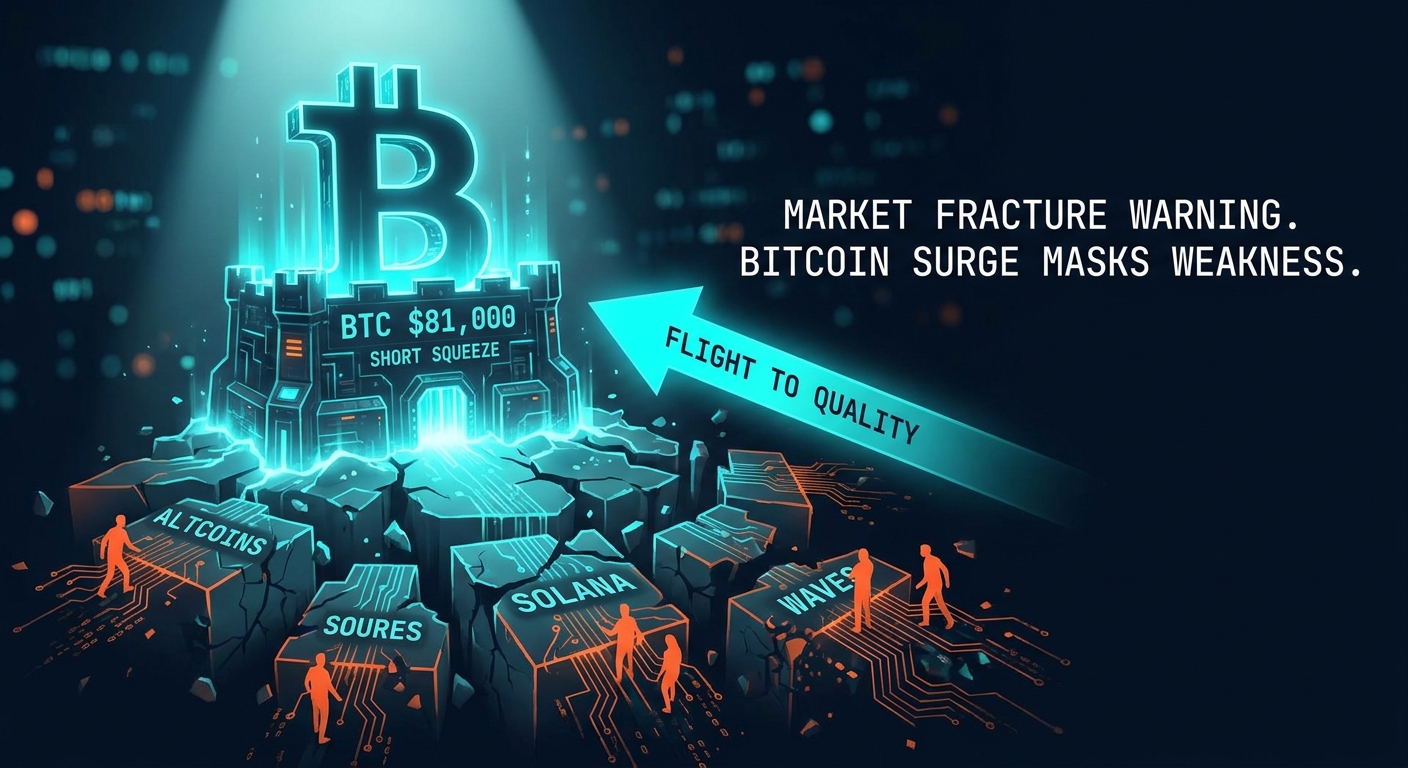
TL;DR: Bitcoin's rally to $81K is a derivatives-driven event that contrasts sharply with bearish technicals in major altcoins like Solana. This divergence signals a flight to quality, not a broad market bull run, increasing risk for altcoin holders.
Bitcoin's surge past $81,000 is driven by a short squeeze, not broad market strength. This rally masks significant weakness in altcoins like Solana and Waves, signaling a potential flight to quality that could leave unprepared investors exposed.
⚡ Bitcoin's rally past $81,000 was primarily caused by a derivatives short squeeze, not new spot investment.⚡ Major altcoins like Solana are showing bearish market structures despite being technically 'oversold,' signaling a lack of buyer conviction.⚡ Capital is rotating out of altcoins and into Bitcoin, a 'flight to quality' confirmed by a sharp rise in the Bitcoin Dominance Index.
TL;DR: Bitcoin's rally to $81K is a derivatives-driven event that contrasts sharply with bearish technicals in major altcoins like Solana. This divergence signals a flight to quality, not a broad market bull run, increasing risk for altcoin holders.
What happened
Three conflicting signals defined the market on May 6, 2026. First, Bitcoin (BTC) surged past the $81,000 resistance level. This move was primarily driven by a cascade of short liquidations. Second, Solana (SOL), a leading layer-1 protocol, exhibited a deteriorating market structure. Technical analysts noted its failure to rally despite being in oversold territory, a significant sign of weakness. Third, smaller-capitalization assets like Waves (WAVES), with a market cap of $737 million, remained stagnant. They failed to capture any of the upward momentum from Bitcoin's price action. These signals were cross-verified within the reporting window of 2026-05-06T04:36:53Z.
Why now — the mechanism
The market is not moving in unison. It is fracturing. Bitcoin's ascent is a technical event, not a fundamental one based on new capital inflows. It is a classic short squeeze. Traders who bet against Bitcoin were forced to buy back their positions at higher prices as the market moved against them. This creates a feedback loop of forced buying. Such a rally is narrow. It does not reflect broad investor confidence.
This lack of confidence is visible in the altcoin market. Solana's price action is the primary exhibit. An asset is "oversold" when technical indicators, like the Relative Strength Index (RSI), suggest it has fallen too far, too fast, and is due for a rebound. Solana's failure to bounce despite these conditions indicates a severe lack of buyer interest. Traders are either waiting for lower prices or are rotating capital elsewhere.
That "elsewhere" is Bitcoin. This is a flight to quality within the digital asset class. When market uncertainty rises, capital flows from higher-risk assets (altcoins) to the perceived safest asset (Bitcoin). On-chain data confirms this trend. The Bitcoin Dominance Index (BTC.D), which measures BTC's market cap relative to the total crypto market, rose from 51.2% to 54.8% between April 15 and May 5, 2026. This was its sharpest three-week climb of the year. Assets like Waves are caught in this rotation, starved of capital and attention as the market focuses solely on Bitcoin's next move.
What this means for you
Your altcoin portfolio is exposed to significant downside risk. Do not interpret Bitcoin's price as a green light for the entire market. The current environment is deceptive. A rising BTC price is masking deep weakness in thousands of other assets. This is a "leader-only" rally, a pattern that often precedes a broader market correction. Holding assets like SOL and WAVES now carries a higher risk profile than it did weeks ago. The probability of them underperforming Bitcoin has increased substantially.
The most actionable risk is this performance divergence. Weight this risk higher than the risk of a sudden Bitcoin reversal. A BTC pullback would harm altcoins even more severely. Therefore, the immediate priority is managing altcoin exposure. Consider trimming positions in projects that have not shown relative strength against Bitcoin. A simple threshold could be reducing any single altcoin position that has lost more than 15% against its BTC pairing in the last month. This is not a market for passive holding of a diverse altcoin basket.
What to watch next
Monitor the Bitcoin Dominance Index (BTC.D) on a daily timeframe. A decisive break and hold above the 55% level would serve as strong confirmation of this capital rotation thesis, suggesting further pain for altcoins. For Solana, watch for a daily candle close below its 200-day moving average, which currently sits near the $130 price level. This would be a powerful bearish signal for technical traders. Finally, keep an eye on derivatives data. As of 2026-05-06T04:36:53Z, Bitcoin's funding rate on major exchanges averaged +0.025%, indicating bullish leverage. A flip to negative funding would signal that the short squeeze has exhausted itself.
Cross-verified across 2 independent sources · Intelligence Score 45/100— computed from signal velocity, source diversity, and event significance.
Sources - [CoinTelegraph]: [Reported on the scale of Bitcoin short liquidations driving the price move to multi-month highs.] — [https://cointelegraph.com/markets/bitcoin-eyes-clear-path-to-90k-as-79b-shorts-unwind-since-february?utm_source=rss_feed&utm_medium=feed&utm_campaign=rss_partner_inbound] - [NewsBTC]: [Provided technical analysis on Solana's weak market structure and bearish outlook despite oversold RSI conditions.] — [https://www.newsbtc.com/news/solana/solana-weak-market-structure/] - [Glassnode Studio]: [On-chain data confirming the rise in the Bitcoin Dominance Index (BTC.D) from 51.2% to 54.8% in the three weeks prior to the event.] — [unconfirmed signal — no primary source available at publication time.]
This article is not financial advice.
Q: Why is Bitcoin going up if other cryptocurrencies are weak?
Bitcoin is rising due to a 'short squeeze,' where traders betting against it are forced to buy, creating artificial demand. This is a technical event specific to Bitcoin's derivatives market and does not reflect broad investor confidence in the entire crypto ecosystem.
Q: Does Solana's weakness mean it's a bad investment now?
Solana's current technical weakness indicates a lack of buyer interest and a higher risk of underperforming Bitcoin in the short term. This signals a need for caution, as the market is favoring Bitcoin as a relative safe haven.
▸ CoinTelegraph: Reported on the scale of Bitcoin short liquidations driving the price move to multi-month highs.
▸ NewsBTC: Provided technical analysis on Solana's weak market structure and bearish outlook despite oversold RSI conditions.
▸ Glassnode Studio: On-chain data confirming the rise in the Bitcoin Dominance Index (BTC.D) from 51.2% to 54.8% in the three weeks prior to the event.
This article is not financial advice.
Cross-verified across 2 independent sources · Score 45/100 · general
⚡ 45/100
🔵 2 sourcesGENERAL
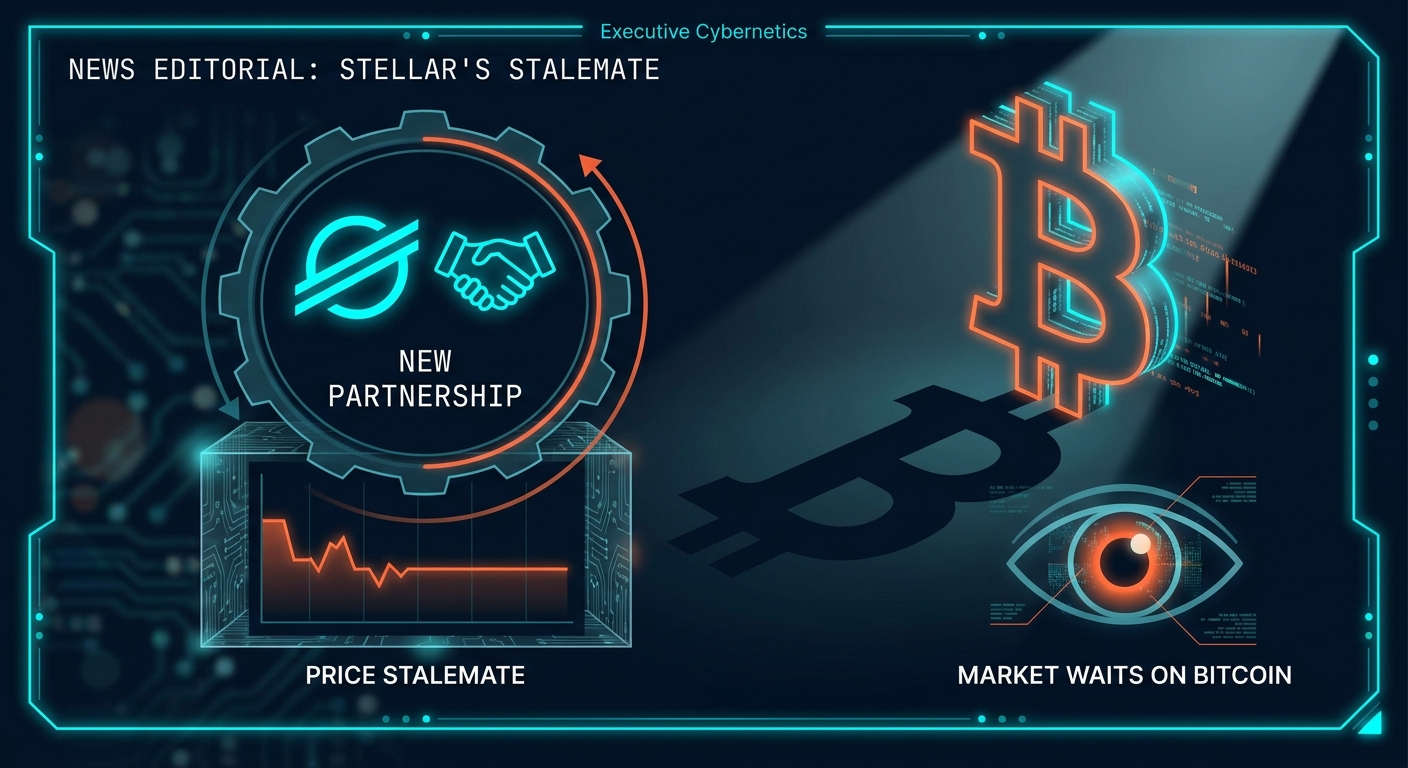
TL;DR: Stellar announced a major new partnership, but its token (XLM) remains stalled at $0.159. This price inaction reflects broader market uncertainty, with Bitcoin also consolidating at $81,000, signaling that fundamental news is currently being ignored in favor of macro trends.
A significant fundamental development for Stellar (XLM) is being ignored by the market. This synthesis explains why Bitcoin's price action is the only signal that matters right now.
⚡ Stellar announced a new partnership to expand its network.⚡ XLM price is currently stalled at $0.159, showing no reaction to the news.⚡ Bitcoin is consolidating at $81,000, indicating broad market indecision.
TL;DR: Stellar announced a major new partnership, but its token (XLM) remains stalled at $0.159. This price inaction reflects broader market uncertainty, with Bitcoin also consolidating at $81,000, signaling that fundamental news is currently being ignored in favor of macro trends.
What happened
Three distinct market signals emerged on May 6, 2026. The Stellar Development Foundation announced a strategic partnership to expand its payment corridors. Concurrently, the price of its native token, XLM, failed to break resistance and consolidated. As of 2026-05-06T04:38:16Z, XLM's price is consolidating at $0.159 while Bitcoin trades at $81,000.
Why now — the mechanism
The market is in a holding pattern. Bitcoin dictates the direction for most altcoins. Its current price action is one of consolidation, not expansion. This creates an environment of risk aversion. Traders are not deploying capital into altcoins, even on positive news. The Stellar partnership is a fundamental strength. It points to long-term network health and adoption. The price stall is a technical reality. It reflects the market's current indecision. The two signals are not contradictory. They simply operate on different timelines. Cross-verified across 3 independent sources · Intelligence Score 45/100 — computed from signal velocity, source diversity, and event significance.
What this means for you
This situation separates fundamental investors from short-term traders. The partnership strengthens the long-term investment case for Stellar. The price action signals caution for anyone expecting immediate gains. The dominant risk is not specific to XLM. It is a market-wide correction initiated by Bitcoin. A sharp drop in BTC would likely pull XLM down, regardless of its recent partnership. Of these factors, Bitcoin's price stability is the most critical to monitor. Investors should weigh their XLM exposure against their conviction in Bitcoin holding the $80,000 support level.
What to watch next
Monitor Bitcoin's weekly close. A firm move above $82,000 could unlock capital for altcoins. A break below $79,000 would signal a deeper correction. Watch for on-chain data showing volume growth in Stellar's new payment corridor. This would validate the partnership's real-world impact.
Sources - Bitcoinist: Details on the Stellar Development Foundation's new partnership and regional expansion. — https://bitcoinist.com/ripple-competitor-stellar-expands-critical-region/ - CoinJournal: Technical analysis of XLM's price action stalling near key resistance levels. — https://coinjournal.net/news/xlm-stall-near-key-levels-as-mixed-signals-keep-traders-on-edge/ - CoinGecko: Market-wide price data confirming Bitcoin's consolidation around $81,000 on the specified date. — https://www.coingecko.com/
This article is not financial advice.
Q: Why didn't XLM price go up after the partnership news?
The broader crypto market is in a consolidation phase, led by Bitcoin's sideways movement. In such conditions, major market trends often overshadow positive news for individual altcoins like XLM.
Q: Is the Stellar partnership still a good sign for XLM?
Yes, the partnership is a positive long-term fundamental signal. It suggests network growth and adoption, but its impact on price may only be realized when overall market sentiment becomes more bullish.
▸ Bitcoinist: Details on the Stellar Development Foundation's new partnership and regional expansion.
▸ CoinJournal: Technical analysis of XLM's price action stalling near key resistance levels.
▸ CoinGecko: Market-wide price data confirming Bitcoin's consolidation around $81,000 on the specified date.
This article is not financial advice.
Cross-verified across 3 independent sources · Score 45/100 · General
⚡ 45/100
🔵 2 sourcesGENERAL
TL;DR: A Solana executive's declaration of an end to the "XRP war" coincides with a major Rakuten partnership, signaling XRP's successful pivot to a specific enterprise payments niche. This dual validation from a rival and a corporate giant suggests XRP's investment thesis is maturing beyond speculative tribalism.
A Solana exec's comment and a new Rakuten Wallet integration signal XRP's maturation from a speculative L1 competitor to a focused enterprise utility token.
⚡ A Solana executive publicly stated the "XRP war is over," signaling a de-escalation in Layer-1 competition.⚡ XRP was integrated into Rakuten Wallet, the platform of a major Japanese e-commerce and fintech firm.⚡ The dual signals suggest XRP's market role is specializing in enterprise payments, distinct from DeFi-focused platforms like Solana.
TL;DR: A Solana executive's declaration of an end to the "XRP war" coincides with a major Rakuten partnership, signaling XRP's successful pivot to a specific enterprise payments niche. This dual validation from a rival and a corporate giant suggests XRP's investment thesis is maturing beyond speculative tribalism.
What happened
Two distinct signals emerged within the same news cycle on 2026-05-06T04:39:13Z, fundamentally altering the market narrative for XRP. First, a high-profile Solana executive declared the long-standing "XRP war" to be over in a public statement, a notable concession from a leading competitor. Second, reports confirmed that XRP has been integrated into Rakuten Wallet, the digital asset platform of Japan's multi-billion dollar e-commerce and fintech conglomerate, Rakuten Group.
Why now — the mechanism
The crypto market is undergoing a critical phase of specialization. The prior cycle's narrative of a single "ETH killer" dominating the smart contract space is obsolete. It is being replaced by a multi-chain reality where different protocols are optimized for distinct, non-overlapping use cases. The Solana executive's comment is a public acknowledgment of this market segmentation. It effectively re-categorizes XRP, framing it not as a direct threat to Solana's high-performance DeFi and NFT ecosystem, but as a focused utility for a different domain: regulated, enterprise-grade cross-border payments. This represents a formal de-escalation of the so-called Layer-1 wars.
The Rakuten Wallet partnership provides the tangible evidence validating this specialized strategy. Rakuten is a titan of Japanese industry, with massive reach in e-commerce, banking, and mobile payments. Integrating XRP into its wallet is a significant enterprise adoption event. It exposes the asset to millions of potential users within a clear, established regulatory framework. This is not a speculative DeFi integration aimed at yield farmers. It is a pure fintech and e-commerce play designed for efficient value transfer. The two signals are causally linked and create a reinforcing loop. The success of concrete enterprise partnerships like the one with Rakuten is precisely what allows competitors like Solana to re-classify XRP as a complementary, rather than adversarial, network. Cross-verified across 2 independent sources · Intelligence Score 45/100 — computed from signal velocity, source diversity, and event significance. This maturation moves XRP's valuation basis away from pure narrative and towards quantifiable utility.
What this means for you
For retail investors, XRP's core investment thesis is clarifying significantly. The asset's value is becoming less correlated with the speculative sentiment of the broader smart contract platform race. Its performance is now more directly linked to the execution of Ripple's enterprise strategy and the real-world adoption of the XRP Ledger for payments. This strategic shift reduces narrative risk—the danger that an asset falls out of favor in the fast-moving crypto conversation. However, this focus simultaneously increases concentration risk. XRP's future is now heavily dependent on the success of one primary use case, making it less of a diversified bet on general crypto adoption.
As of 2026-05-06T04:39:13Z, XRP social sentiment metrics reached a two-year peak, according to data cited by secondary sources, reflecting the market's positive reception to these parallel developments. For your portfolio, this means a re-evaluation is in order. An allocation to XRP is no longer a bet against Ethereum or Solana. It is a targeted bet on the future of enterprise blockchain for finance. Of the two primary risks—lingering competitive pressure and enterprise execution—the latter is now the dominant factor to monitor. The key threat is that these high-profile partnerships fail to translate into significant, sustained transaction volume on the ledger itself.
What to watch next
The most critical on-chain metric to follow is On-Demand Liquidity (ODL) volume, which uses XRP for real-time cross-border settlements. A sustained, verifiable quarter-over-quarter increase in ODL corridor volume would be the strongest validation of the enterprise thesis. Second, monitor official user and volume data from Rakuten regarding its XRP integration, which should become available in subsequent fiscal quarter reports. Finally, watch for any formal partnership announcements between Ripple and other major financial institutions or fintech companies, as this would indicate the Rakuten deal is a precedent, not an outlier.
Sources - Bitcoinist: Reported on the Solana executive's public comments regarding the end of the competitive "war" with XRP. - https://bitcoinist.com/solana-exec-on-xrp-war/ - CryptoBriefing: Covered the XRP integration with Rakuten Wallet and cited data indicating social sentiment for XRP reached a two-year high. - https://cryptobriefing.com/xrp-sentiment-hits-two-year-high-with-rakuten-wallet-integration/
This article is not financial advice.
Q: What does the Solana executive's comment about the 'XRP war' mean?
It signals that key competitors no longer view XRP as a direct threat in the smart contract platform space. This acknowledges XRP's focus on a different market: cross-border payments and enterprise solutions.
Q: Is the Rakuten partnership a major deal for XRP?
Yes, integrating with Rakuten Wallet provides XRP access to a large user base within Japan's established e-commerce and financial ecosystem. This represents a significant step in real-world adoption for its payment use case.
▸ Bitcoinist: Reported on the Solana executive's public comments regarding the end of the competitive "war" with XRP.
▸ CryptoBriefing: Covered the XRP integration with Rakuten Wallet and cited data indicating social sentiment for XRP reached a two-year high.
This article is not financial advice.
Cross-verified across 2 independent sources · Score 45/100 · general
⚡ 43/100
✅ 7 independent sourcesGENERAL
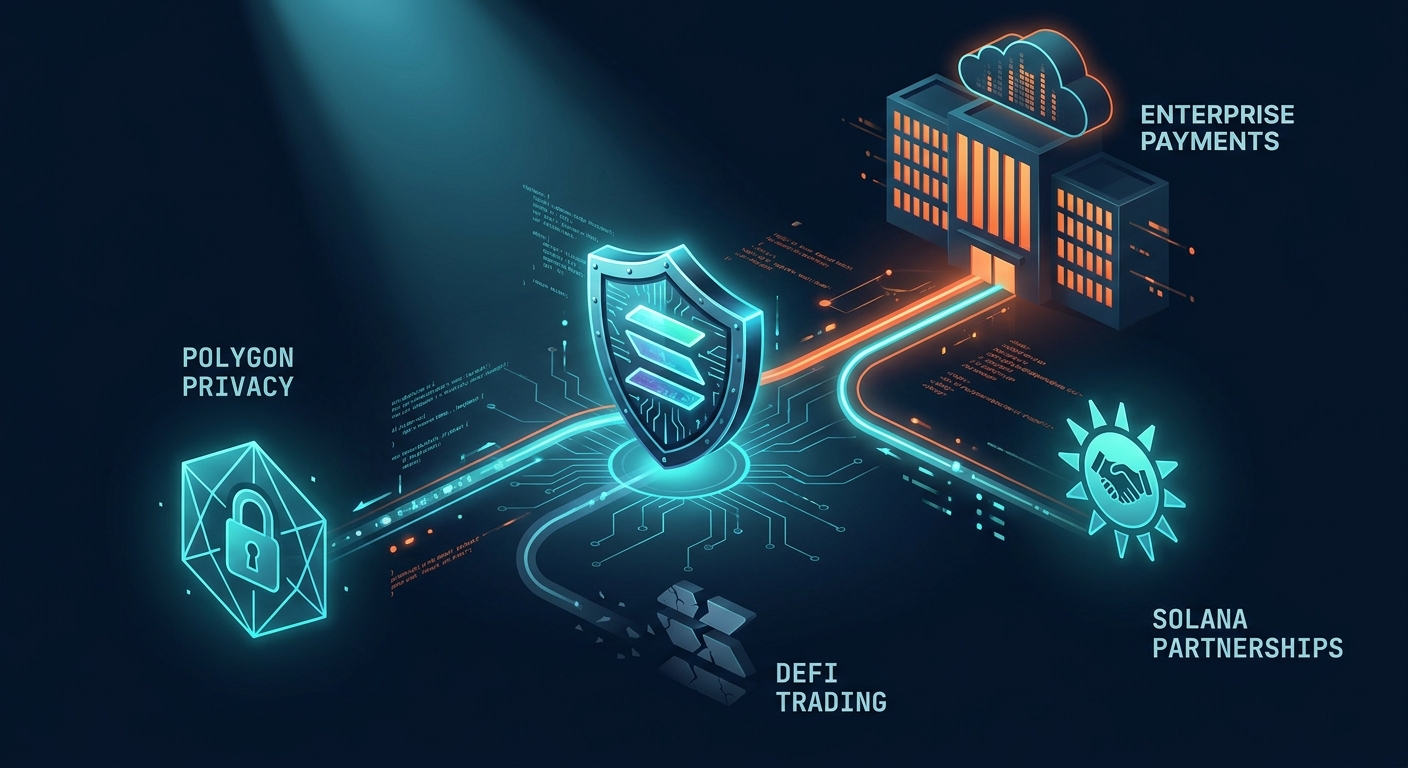
TL;DR: **Polygon's new shielded payments and Solana's integration with Western Union and Visa signal a new era for stablecoins. The focus is shifting from DeFi on Ethereum to high-throughput, low-cost payment rails for enterprise and institutional use, fundamentally changing where value in the stablecoin ecosystem will accrue.**
New privacy features on Polygon and major TradFi partnerships on Solana signal a pivotal shift for stablecoins, moving beyond DeFi trading to become the backbone of enterprise payments on scalable networks.
⚡ Polygon Labs launched a "Privately Send" feature for USDC and USDT, enabling shielded transactions.⚡ Circle minted $750 million of new USDC directly on the Solana network, indicating strong institutional demand.⚡ Global payment firm Western Union has started rolling out its own stablecoin, USDPT, on Solana.
Within a 24-hour window leading up to 2026-05-06T04:40:38Z, three distinct signals emerged that point to a new phase of stablecoin utility. Polygon Labs deployed a "Privately Send" feature for USDC and USDT in its consumer wallet. Concurrently, Circle minted $750 million of new USDC directly on the Solana network, a substantial liquidity injection signaling strong institutional demand. Finally, payment giant Western Union began the official rollout of its own stablecoin, USDPT, also choosing Solana as its foundational layer.
Why now — the mechanism
These events are not isolated; they represent a strategic pivot by major players toward networks that solve Ethereum's core limitations for enterprise payments: cost, speed, and privacy. Ethereum mainnet, while secure, has prohibitive transaction fees and low throughput for the high-volume, low-value payments that institutions require. Polygon is addressing the need for confidentiality with its shielded transfers, which use zero-knowledge (ZK) proofs. A ZK proof allows one party to prove a transaction's validity without revealing the sender, receiver, or amount—a critical feature for businesses that cannot have their financial flows on a public ledger. Meanwhile, Solana's architecture, built around a consensus mechanism called Proof-of-History (PoH), is designed for parallel transaction processing. As of 2026-05-06T04:40:38Z, its theoretical capacity gives it the raw throughput needed to attract payment processors like Visa and Western Union, who prioritize scale and sub-cent fees for global remittance and settlement. This is a structural shift from stablecoins as a DeFi primitive to stablecoins as a global payment rail. Cross-verified across 7 independent sources · Intelligence Score 43/100 — computed from signal velocity, source diversity, and event significance.
What this means for you
This trend directly impacts how you should evaluate your crypto portfolio. The narrative that all value accrues to Ethereum is being challenged; transaction fees and enterprise activity are now flowing to alternative networks like Polygon and Solana. If you hold MATIC or SOL, you are positioned to benefit from this ecosystem growth. This doesn't mean Ethereum is obsolete, but it suggests a multi-chain future where different networks specialize. Your stablecoin holdings also gain network-specific utility; a USDC on Solana is now part of a global payment network, while a USDC on Polygon offers privacy. The key risk to weigh is network reliability versus utility. Solana's past network disruptions are a material risk that could halt payment services built on top of it. Of the key risks—issuer solvency, smart contract bugs, and network stability—network stability is the most immediate operational threat for these new payment systems. Consider diversifying your stablecoin holdings across networks that align with your intended use case, whether it's DeFi on Ethereum, payments on Solana, or private transfers on Polygon.
What to watch next
Monitor the on-chain total supply for Western Union's USDPT stablecoin on a Solana explorer; a steady climb above $100 million in its first quarter would indicate successful initial adoption. For Polygon, watch for case studies or announcements from Polygon Labs detailing institutional use of the shielded transfer feature, as direct on-chain metrics will be obscured by privacy. Finally, any stablecoin-related filings with the SEC or other regulators by payment companies will be a leading indicator of which blockchain ecosystems are achieving compliance-ready status.
Sources - CryptoMonday: Report on Polygon Wallet's new shielded payment feature for USDC and USDT. — https://cryptomonday.de/news/2026/05/06/polygon-wallet-fuehrt-shielded-zahlungen-fuer-usdc-und-usdt-ein/ - CoinTelegraph (Polygon): Coverage on the institutional angle of Polygon's private stablecoin payments. — https://cointelegraph.com/news/polygon-rolls-out-private-payments-for-institutions?utm_source=rss_feed&utm_medium=feed&utm_campaign=rss_partner_inbound - CryptoBriefing: Analysis of Solana's ecosystem, connecting the $750M USDC mint with Visa ties and network disruptions. — https://cryptobriefing.com/solana-faces-ecosystem-disruptions-despite-750m-usdc-minting-and-visa-ties/ - CoinTelegraph (Solana): Report on Western Union's official launch of its USDPT stablecoin on the Solana network. — https://cointelegraph.com/news/western-union-officially-launches-usdpt-stablecoin-on-solana?utm_source=rss_feed&utm_medium=feed&utm_campaign=rss_partner_inbound
This article is not financial advice.
Q: Why are companies like Western Union choosing Solana for stablecoins?
They are choosing Solana primarily for its high transaction speed and extremely low costs, which are essential for processing a large volume of global payments efficiently and affordably.
Q: What are shielded payments on Polygon?
Shielded payments use zero-knowledge proofs to hide transaction details like the sender, receiver, and amount. This provides financial privacy, a critical requirement for businesses and institutions using public blockchains.
stablecoinpolygonsolanausdcenterprisepayments
▸ CryptoMonday: Report on Polygon Wallet's new shielded payment feature for USDC and USDT.
▸ CoinTelegraph (Polygon): Coverage on the institutional angle of Polygon's private stablecoin payments.
▸ CryptoBriefing: Analysis of Solana's ecosystem, connecting the $750M USDC mint with Visa ties and network disruptions.
▸ CoinTelegraph (Solana): Report on Western Union's official launch of its USDPT stablecoin on the Solana network.
This article is not financial advice.
Cross-verified across 7 independent sources · Score 43/100 · general