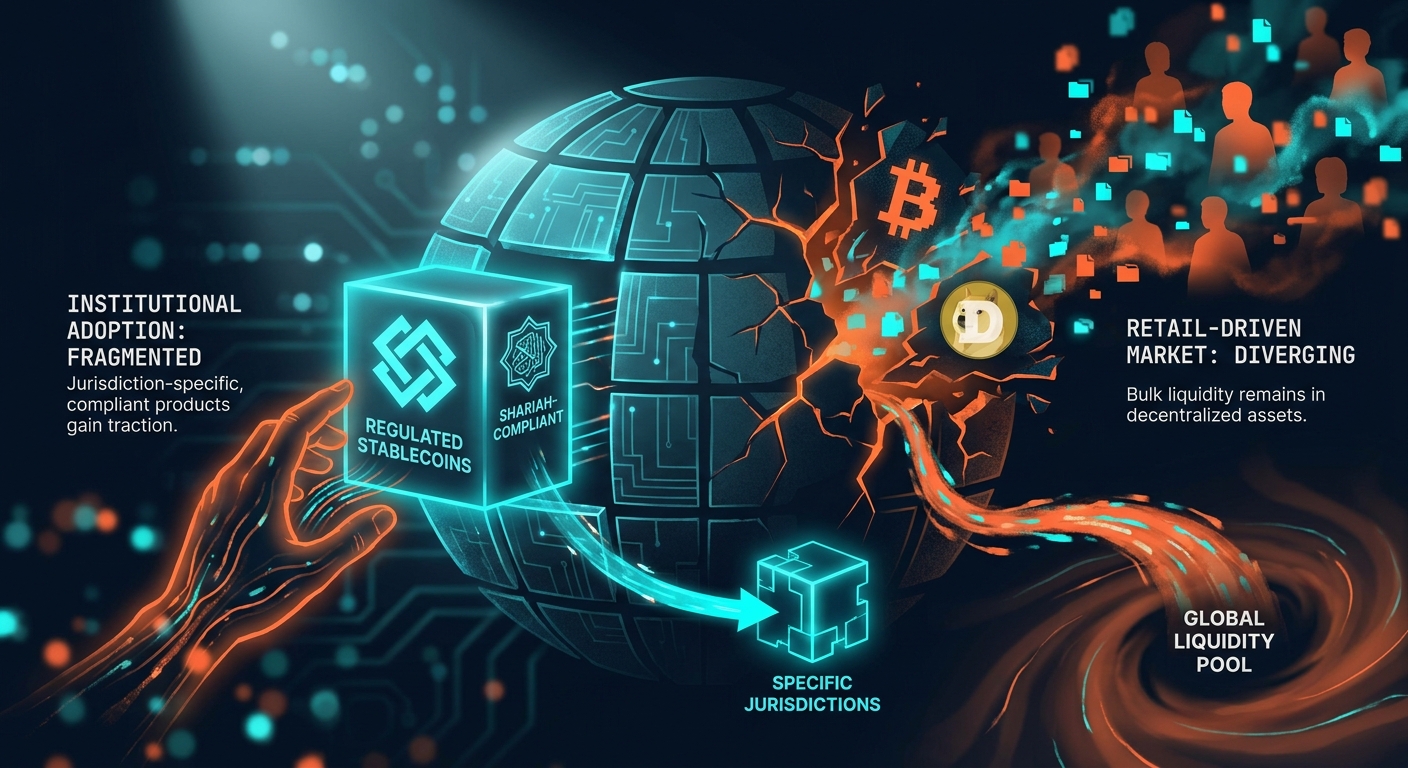
At approximately 2026-04-25T04:30:04Z, an exploit against KelpDAO resulted in the theft of assets valued at $292M. The compromised asset, the restaked ETH token rsETH, was subsequently deposited as collateral into the Aave lending protocol to borrow and drain legitimate assets, including an estimated $260M in USDC. This action triggered a severe liquidity crisis on Aave and a coordinated, ad-hoc response from multiple DeFi protocols to contain the fallout.
Why now — the mechanism
The attack's success hinged on a multi-stage failure of DeFi's risk management and oracle infrastructure. The causal chain proceeded as follows:1. Initial Vulnerability: The exploit originated within the KelpDAO protocol, where the attacker leveraged what appears to be an unauthorized minting function. This allowed the creation of a massive supply of unbacked rsETH tokens, instantly rendering the entire circulating supply worthless.
2. Collateralization and Oracle Lag: The attacker raced against the market's awareness of the exploit. They deposited the now-valueless rsETH into Aave, which had previously approved it as a valid collateral type. Aave's risk parameters, informed by Chainlink oracles, had not yet registered the token's collapse to zero, creating a critical window where the protocol treated worthless assets as valuable.
3. Liquidity Drain: With Aave recognizing the toxic collateral at its pre-exploit price, the attacker borrowed against it, extracting hundreds of millions in legitimate assets like WETH and USDC from Aave's liquidity pools. This action socialized the attacker's theft as bad debt across all Aave lenders, effectively bankrupting the rsETH market on the platform.
4. Systemic Contagion: The revelation of the bad debt triggered a protocol bank run, with Aave's Total Value Locked (TVL) plummeting by $6.28 billion in under 48 hours. As of 2026-04-25T04:30:04Z, the crisis of confidence has spread to core infrastructure. On-chain data shows a complete halt in accumulation from Chainlink (LINK) whale wallets that typically transact over $10M daily, indicating deep uncertainty about oracle security. The fallout has also cast a shadow over the broader Arbitrum ecosystem, impacting sentiment around protocols like GMX.
What this means for you
The formation of a "DeFi United" coalition, which has pledged 43,000 ETH to backstop losses, is a material signal of centralization risk. While it may stabilize markets short-term, this ad-hoc bailout sets a precedent for interventionism that runs counter to DeFi's core premise of immutable code. The capital flight from Aave, reflected in a $101M drop in its token's market cap, and the risk-off positioning by LINK whales are clear indicators of a sector-wide de-risking event. Cross-verified across 12 independent sources · Intelligence Score 66/100 — computed from signal velocity, source diversity, and event significance.Of the immediate risks—protocol failure, oracle manipulation, and regulatory blowback—the risk of contagion from misconfigured collateral is the most actionable. Institutional funds must immediately audit exposure to lending protocols that accept newly-listed or complex derivative tokens like Liquid Restaking Tokens (LRTs) as high-grade collateral. Any such exposure should be considered high-risk until governance frameworks and oracle systems prove robust against this attack vector.
What to watch next
Three specific events will determine the next market phase. First, the upcoming Aave DAO governance vote on how to manage the bad debt and whether to use the Safety Module. Second, the on-chain movement of the pledged 43,000 ETH into a verifiable recovery contract. Finally, watch for a formal post-mortem from Chainlink addressing oracle security for LRTs and other complex synthetic assets.Sources - Rekt News: Provided a detailed breakdown of the exploit mechanism and its immediate aftermath on-chain. — https://rekt.news/kelpdao-rekt - NewsBTC: Contributed on-chain analysis regarding the pause in Chainlink whale wallet activity post-exploit. — https://www.newsbtc.com/chainlink-news/chainlink-is-getting-cheaper-and-whales-are-not-buying-the-dip-discount-or-a-trap/ - Decrypt: Reported on the formation of the "DeFi United" coalition and its initial response to contain the Aave fallout. — https://decrypt.co/365431/aave-leads-defi-united-push-to-contain-292m-kelpdao-fallout - CoinTelegraph: Corroborated the specifics of the industry pledge, quantifying the recovery fund at 43,000 ETH. — https://cointelegraph.com/news/defi-protocols-pledge-43500-eth-kelp-exploit-rseth-recovery
This article is not financial advice.